

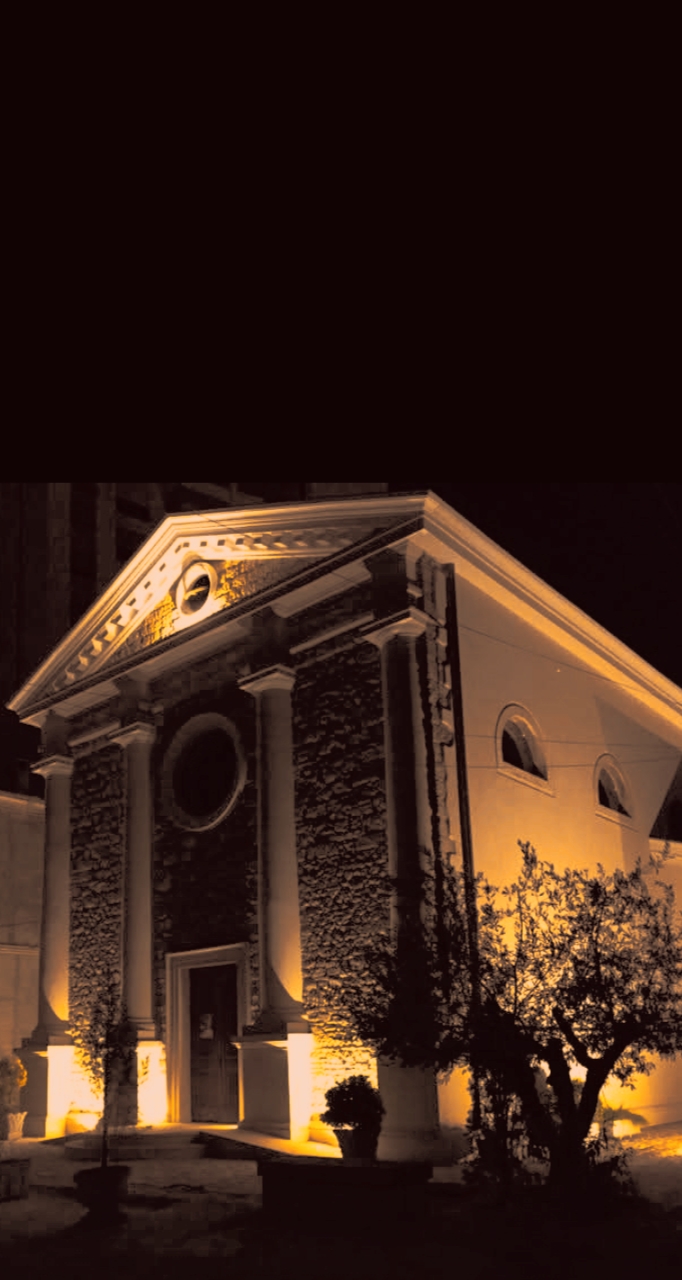
Co-Cathedral “Saint Lucia”
The “Saint Lucia” Co-Cathedral in Durrës is one of the oldest and most historically significant Catholic churches in Albania, serving as the co-cathedral of the Catholic Archdiocese of Tirana-Durrës, reflecting the long heritage and religious diversity of the coastal city.
The Co-Cathedral is located in the center of Durrës, in the historic quarter of the city, being a reference point of Catholic religious life and spiritual activity for the local community and visitors. It serves as a cult object for liturgy and worship and holds a special status within the ecclesiastical structure due to its role as a co-governed place of the archdiocese with the cathedral of Tirana.
The church was built and completed around 1868, quickly becoming one of the main centers of the Catholic faith in the city, after a period when the construction of churches within the city walls was restricted during Ottoman rule. The year 1868 is engraved on the entrance gate of the building and is associated with the completion of its construction works.
The structure displays the features of 19th-century religious architecture, with a simple plan and a bright liturgical space. Its interior is closely connected to Catholic spiritual history and art, providing a peaceful and reflective environment for prayer, mass, and religious rites.
The co-cathedral preserves the tombs of important figures of Catholic life and Albanian history, such as: Monsignor Pjetër Gjura. Nikoll Kaçorri, Vincens Prennushi, Jul Bonati, etc. These personalities have played key roles in the religious and cultural life of the country, making this place also a place of remembrance and historical reflection for today's generations.
Since recent years, the "Saint Lucia" Co-Cathedral has been under preliminary protection and has been proposed for declaration as a cultural monument, an important step for the preservation and promotion of the historical and architectural values of the building.
Beyond its sacred function, the co-cathedral has served for decades as a center of Catholic spiritual and community life, contributing to cultural, social and educational developments. It is known by residents and tourists not only for its religious values, but also as evidence of the historical coexistence of religions and traditions in Durrës.