Belgrade
The capital at the crossroads

A little closer toBelgrade.

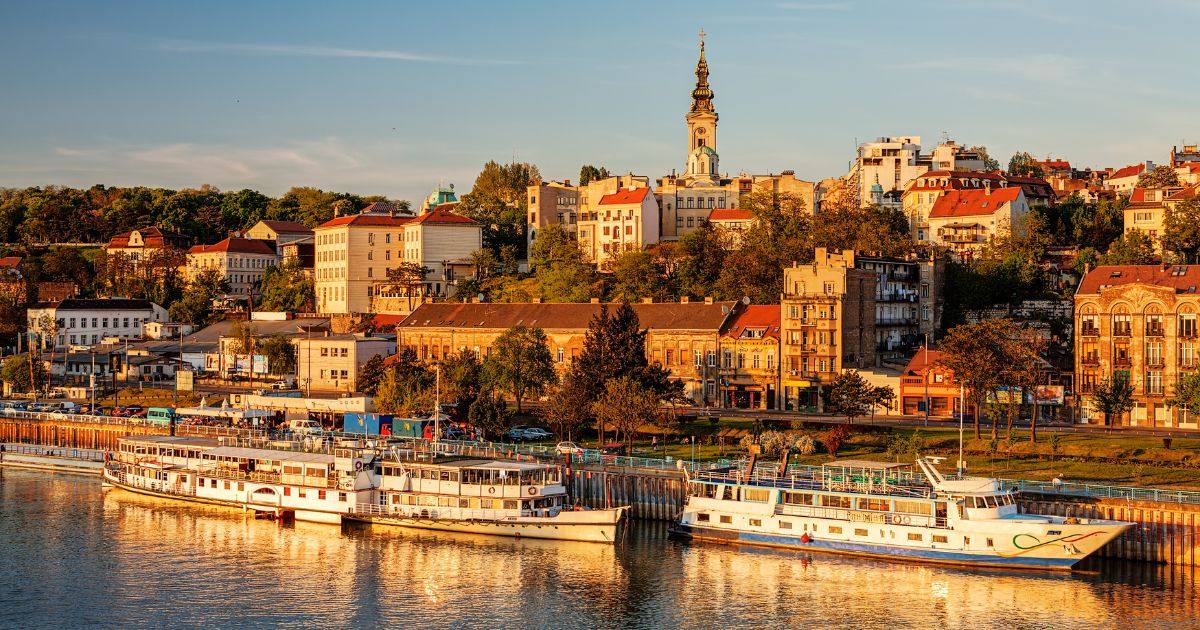
A city where two great rivers meet — ancient fortresses, bohemian streets, grand boulevards, vibrant nightlife, and a history that has been rebuilt time and again.

1.6 millionPopulation
Sava & DanubeRiver
878Founded
April – OctoberBest Time
Belgrade Nikola Tesla AirportAirport
SerbiaA different perspective.
About Belgrade

The capital at the crossroads

Belgrade is the capital and largest city of Serbia, as well as the country’s main political, cultural, economic, and transportation center.

Located at the confluence of the Sava and Danube rivers, Belgrade has occupied one of the most strategically important positions in Southeast Europe for thousands of years. Around 1.6 million people live in the wider city area, making it one of the largest urban centers in the Balkans.

The city is known for its fascinating mix of architecture, historic neighbourhoods, lively promenades, museums, cafés, restaurants, riverfront venues, and energetic nightlife.

Belgrade is often described as a city where East meets West. Roman, Byzantine, Serbian, Ottoman, Austro-Hungarian, and modern influences can all be seen in its streets, monuments, fortifications, and architecture.

Today, it is one of the most dynamic city-break destinations in the Balkans — equally attractive to history lovers, foodies, culture seekers, and travellers looking for nightlife and entertainment.

Explore Belgrade Tours
✳ Belgrade
What To See & Do

Top sights in Belgrade

From ancient fortress walls and grand Orthodox churches to bohemian streets and riverside promenades — Belgrade offers something different around every corner.

Belgrade Fortress & Kalemegdan

Belgrade Fortress is the historic heart of the city and one of its most important landmarks.Standing above the confluence of the Sava and Danube, the site has been fortified since Celtic and Roman times and was repeatedly rebuilt by Byzantine, Serbian, Ottoman, and Austrian rulers. Today, the fortress complex includes medieval walls, gates, towers, archaeological remains, museums, monuments, and viewpoints overlooking both rivers. The surrounding Kalemegdan Park is one of the most popular places for walking and relaxing in Belgrade. From its terraces, visitors can enjoy some of the best views in the city, particularly around sunset when the Sava meets the Danube below.

Temple of Saint Sava

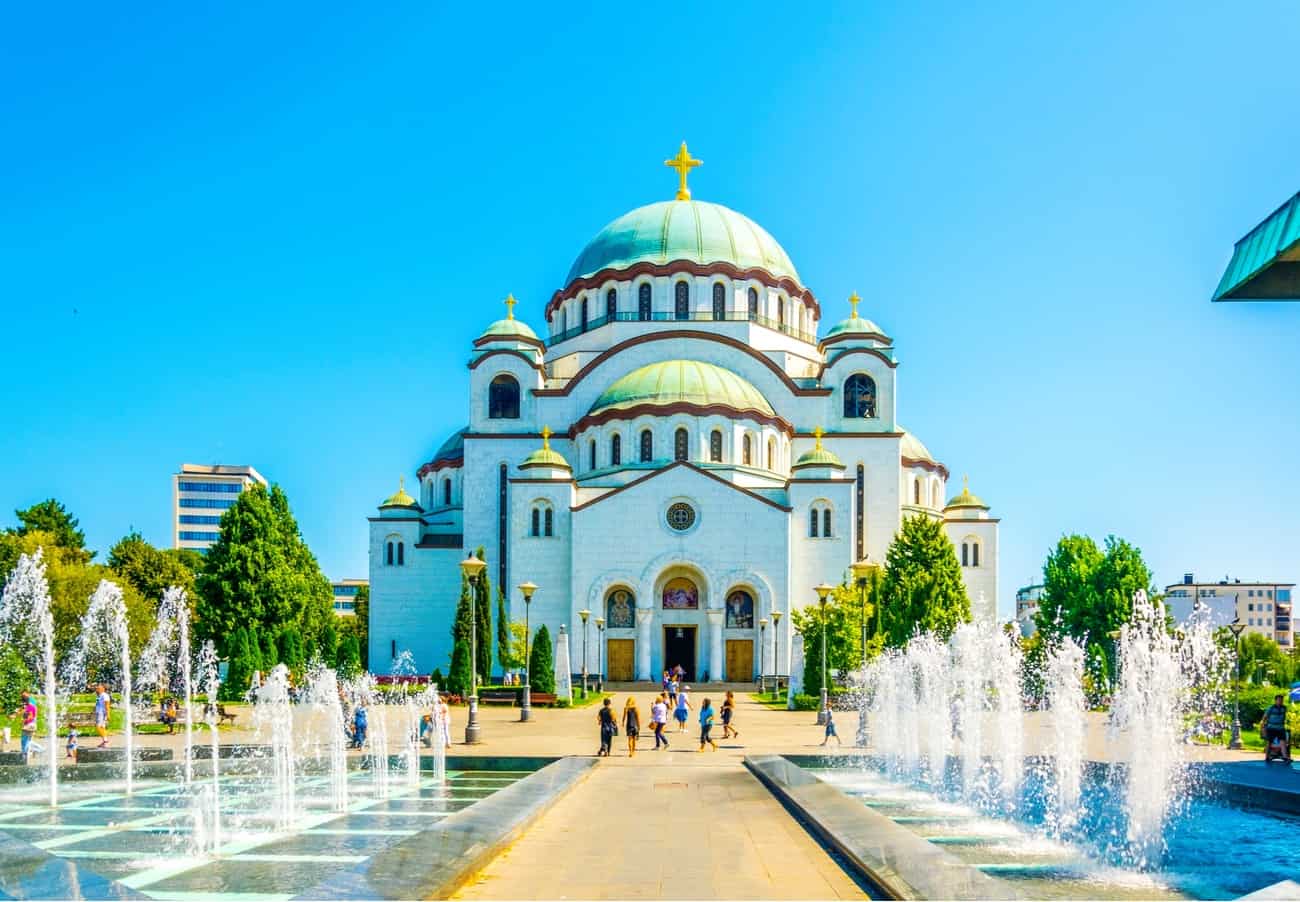
The Temple of Saint Sava is one of Belgrade’s most recognizable landmarks and one of the largest Orthodox churches in the world. Its enormous white façade and central dome dominate the skyline around the Vračar district. The church is dedicated to Saint Sava, one of the most important figures in Serbian history and the founder of the independent Serbian Orthodox Church. Inside, visitors can admire an enormous decorated interior with mosaics, marble, golden details, and a richly designed crypt. The surrounding plateau is also a popular meeting place and offers impressive views of the church, especially when illuminated at night.

Skadarlija

Skadarlija is Belgrade’s famous bohemian quarter and one of the most atmospheric parts of the city. Centered around a cobbled street lined with traditional restaurants, cafés, galleries, and historic buildings, the area became associated with artists, writers, musicians, and actors during the 19th and early 20th centuries. Today, it remains one of the best places to experience traditional Serbian cuisine and live music. Restaurants known as kafanas serve grilled meat, traditional dishes, local wines, and rakija while musicians perform Serbian and Balkan songs. Skadarlija is especially lively in the evening and offers a very different atmosphere from Belgrade’s modern nightlife districts.

Knez Mihailova Street

Knez Mihailova is Belgrade’s main pedestrian street and one of the busiest areas in the city center. Stretching between Republic Square and Kalemegdan, the street is lined with historic buildings, shops, cafés, restaurants, galleries, and cultural institutions. Many of the surrounding buildings date from the 19th century and represent some of the finest examples of Belgrade’s European architectural heritage. Street performers, outdoor cafés, and constant pedestrian activity make Knez Mihailova one of the best places to experience the everyday energy of the city.

Belgrade
History

More than 2,000 years of history

The wider Belgrade area has been inhabited for thousands of years, with important prehistoric settlements developing along the Sava and Danube.

In the 3rd century BC, the Celtic tribe known as the Scordisci established the settlement of Singidunum, which later became an important Roman military and trading center.

The Slavic name Belgrade — “White City” — was first recorded in 878 AD** in a letter from Pope John VIII.

Over the centuries, Belgrade became one of the most contested cities in Europe. Byzantines, Hungarians, Serbian rulers, Ottomans, and Austrians all fought for control of its strategic position. According to official city records, Belgrade was destroyed and rebuilt dozens of times during its long history.

During the early 15th century, under Serbian Despot Stefan Lazarević, Belgrade became the capital of the Serbian state and developed into an important commercial, cultural, and religious center.

The Ottomans captured the city in 1521 and remained its dominant rulers for centuries, while Austrian forces periodically occupied it during several wars.

Belgrade became the capital of Serbia in **1841**, and over the following decades it developed into the political and cultural center of the modern Serbian state.

Today, the city combines its turbulent past with modern architecture, creative districts, cultural institutions, riverfront developments, and one of the most energetic urban atmospheres in Southeast Europe.


Practical Guide

Outdoor, food, nightlife & stay

Everything you need to plan the perfect Belgrade trip.

Explore Serbia ↗
Outdoor Activities

Although Belgrade is a major capital city, it offers plenty of opportunities to enjoy the outdoors. The Sava and Danube rivers are central to city life, with long promenades ideal for walking, cycling, running, and relaxing beside the water. Ada Ciganlija, a river island and recreational area on the Sava, is one of Belgrade’s favourite summer destinations. Visitors can swim, cycle, kayak, play sports, or relax at cafés and restaurants beside the lake. Kalemegdan Park provides green space in the historic center, while nearby Avala Mountain is a popular choice for hiking, cycling, picnics, and panoramic views. Boat tours along the Sava and Danube also offer a completely different perspective of Belgrade.

What & Where to Eat

Belgrade is one of the best cities in the Balkans for food. Traditional Serbian cuisine is rich and hearty, with grilled meat, slow-cooked dishes, fresh bread, cheeses, vegetables, and pastries forming an important part of local dining. Popular dishes include ćevapi, pljeskavica, karađorđeva šnicla, sarma, prebranac, and grilled meats, often served with kajmak, ajvar, and fresh salads. Skadarlija is ideal for visitors looking for traditional restaurants and live music, while central districts such as Dorćol, Vračar, and Savamala offer everything from casual cafés to modern fine dining. Belgrade is also famous for its café culture, bakeries, craft beer, local wines, and rakija.

Entertainment & Nightlife

Belgrade is famous throughout Europe for its nightlife. The city offers everything from traditional kafanas and cocktail bars to live music venues, nightclubs, rooftop terraces, and river clubs. During warmer months, nightlife spreads along the Sava and Danube, where floating venues known as splavovi become some of the city’s most popular places for music and entertainment. Neighbourhoods such as Dorćol, Cetinjska, Savamala, and Beton Hala** are known for restaurants, bars, and late-night venues. Belgrade also has a strong cultural scene, with concerts, theatre, festivals, galleries, sporting events, and exhibitions taking place throughout the year. Whether you prefer a quiet drink overlooking the river or dancing until sunrise, Belgrade has something for almost every taste.

Where to Stay

Belgrade offers a huge range of accommodation for every type of traveller. The city center around Knez Mihailova, Republic Square, and Dorćol is ideal for first-time visitors who want the main attractions, restaurants, shops, and nightlife within walking distance. Vračar is a good choice for travellers who prefer a quieter residential atmosphere close to the Temple of Saint Sava. New Belgrade offers modern hotels, business facilities, shopping centers, and easy access to the airport, while Zemun provides a more relaxed riverside atmosphere. From luxury 5-star hotels and boutique properties to apartments, hostels, and budget rooms, Belgrade has accommodation for almost every budget and travel style.

There is always another story

Stay curious.
Keep exploring.

Discover Serbia ↗
Six countries. Your own journey.

Let’s plan your Balkan trip.

A few details now. An itinerary shaped around you.

  1. 1Travellers & days
  2. 2Destinations
  3. 3Your details

Who’s coming, and for how long?

Start with your group size and your ideal trip length.

Ages 18 and over
Ages 0–17
Number of days
Step 1 of 3