
Amenities
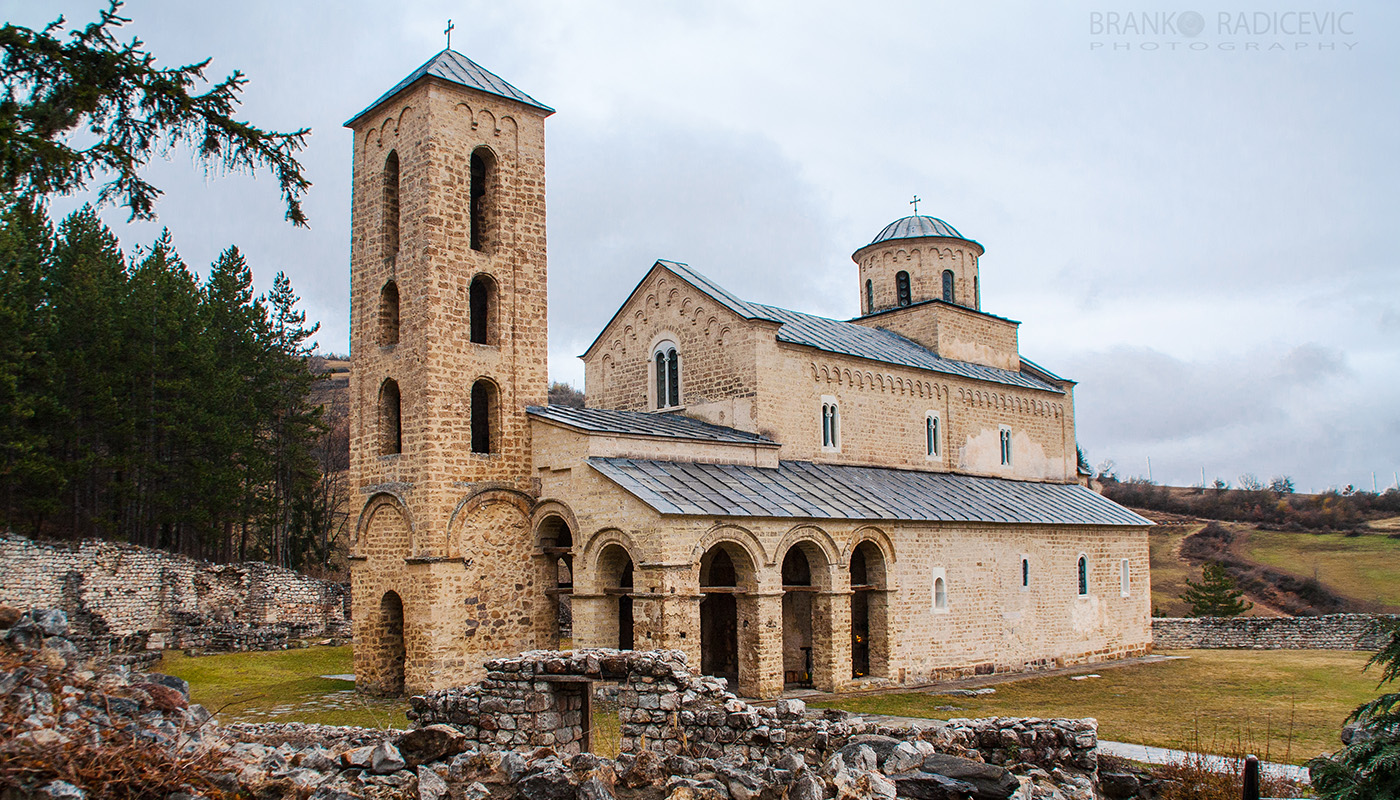
At the very heart of Novi Pazar, you will notice the remains of an old Turkish hammam, built in the 15th Century by Isa Bey Ishaković. Beneath its 11 domes, the hammam features 11 rooms, including a changing room and a room for heating water. Another true architectural gem of Novi Pazar is the Altun-alem Mosque, named after the precious stone of alem. The mosque was built in the 16th Century by Muslihiddin Abdülgani, known also as Muyezin-Haji al Medini, one of the greatest scholarly minds of his time. The mosque is exceptionally well preserved and together with the old town transports visitors back to the time when Novi Pazar enjoyed the status of a şehir (city). The Đurđevi Stupovi monastery, perched atop a hill above Novi Pazar, is one of the most exquisite examples of 12th-Century Orthodox Christian monasteries. Its importance has been recognised by UNESCO, which included it in the World Cultural Heritage List together with Sopoćani monastery, the Church of Saint Apostles Peter and Paul and the remains of Ras and Gradina fortresses, under the common name of Stari Ras and Sopoćani. The Sopoćani monastery is where Serbian king Stefan Uroš I was interned. The monastery also keeps fragments of holy relics of Saint Cosmas and Damian. The monastery is also known for its frescoes, most notably the Dormition of the Mother of God, declared the most beautiful medieval fresco at the 1961 world exhibition in Paris. Built on the foundations of an early Christian church and expanded many times over the centuries, the Church of Saint Apostles Peter and Paul is one of the oldest churches in the Balkans and is an eclectic mix of architectural influences from different epochs. On the outside, the church is surrounded by necropolises, while its interior will entice you with fragments of frescoes of unparalleled beauty, dating back to three different periods: the 9th and 10th Centuries, the late 12th Century and the last decade of the 13th Century. The city fortress on the banks of the river Raška was used in the defence of the city from enemy attacks. A relatively well-preserved watchtower built in the early 17th Century, known as Kula izvidnicaor Kula motrilja, today stands along the northern wall. When in Novi Pazar be sure to visit Amir-Aga’s Han, built in the 18th Century, which welcomed countless merchants to its inn who sought a place of respite while transporting goods from Skopje to Dubrovnik.