

Cathedral of the Assumption of the Virgin Mary (Varaždin Cathedral)
Baroque cathedral with Jesuit origins and rich art
Baroque city with castles, palaces, and vibrant festivals
Varaždin’s story begins in the early Middle Ages, when it emerged as a strategic settlement along the Drava River. By the 12th century the construction of Stari Grad Castle marked Varaždin as a center of power and defense. The city flourished during the Baroque period, becoming the capital of Croatia in the 18th century, from 1767 to 1776, and attracting nobility, artists and craftsmen who left a lasting imprint on its architecture and culture. In 1776 a great fire destroyed much of the town, and the rebuilding gave it the uniform Baroque and Rococo character it has today. Though the capital later moved to Zagreb, Varaždin retained its status as a cultural and economic hub, celebrated for its elegance and artistic spirit, and it is one of Croatia’s best-preserved historic towns.
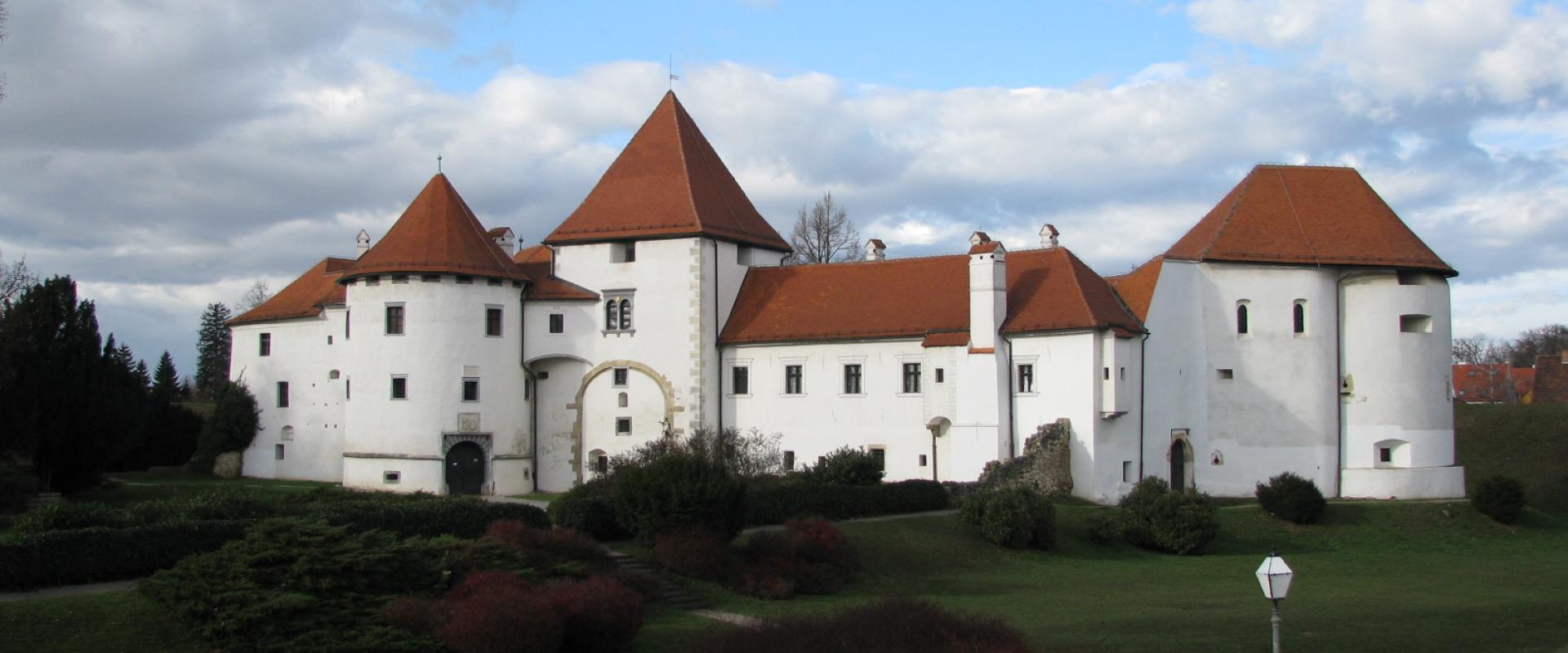
The city’s historic core is a treasure trove of Baroque and Rococo architecture. The Stari Grad Castle, a whitewashed fortress surrounded by a moat and lush parkland, now houses the Varaždin City Museum, where visitors can explore collections of art, historical artifacts and period furnishings. The main square, King Tomislav Square, is framed by ornate palaces, the Town Hall and the Cathedral of the Assumption of the Virgin Mary, whose bell tower dominates the skyline. The Town Hall, from the 16th century, is among the oldest in Croatia, and the ceremony of changing the guard, with costumed soldiers, takes place in front of it on Saturdays in summer. Sermage Palace, with its impressive art gallery, and the Drašković Palace, also written Draskovic Palace, are further highlights, which show Varaždin’s aristocratic legacy. Narrow cobbled lanes and small squares lead off in every direction, and the statue of Gregory of Nin, a copy of Ivan Meštrović’s work, stands near the cathedral.
One of Varaždin’s most unusual attractions is its cemetery, designed in the early 20th century by Herman Haller. Known for its sculpted hedges, tree-lined avenues and tranquil atmosphere, the cemetery is considered one of the most beautiful in Europe and a place of reflection and artistry. Its alleys of arborvitae are trimmed into geometric shapes, and the graves are decorated with fresh flowers. The city’s parks and gardens, such as Drava Park along the river, offer green spaces for relaxation and recreation, and the small Angels Museum, with its collection of angel figures, is a quiet, intimate attraction.
Varaždin is also a city of festivals. The Špancirfest, held every August, transforms the streets into a lively stage for music, theater, street performers and artisans. The Varaždin Baroque Evenings, an internationally acclaimed music festival, celebrates the city’s musical heritage with concerts in historic venues. Throughout the year, markets, food fairs and cultural events fill the calendar, which invites visitors to experience the city’s lively community spirit. The Varaždin market, in the old center, is a pleasant place for fruit, cheese and flowers, and in the mornings it fills with farmers from the surrounding villages.
For those interested in local crafts and cuisine, Varaždin’s markets and shops offer handmade lace, ceramics and traditional pastries. Cafes and restaurants serve regional specialties, including the Varaždin klipič, a type of pastry, hearty stews and wines from the surrounding hills. The city’s compact layout makes it good for exploring on foot or by bicycle, with guided tours available for deeper insight into its history and legends. The old blacksmith’s workshop and the cobbled streets give a sense of the craft traditions that once filled the town.
Baroque cathedral with Jesuit origins and rich art
Historic park cemetery with iconic sculptures
Statue of King Tomislav in Varaždin’s central square
Historic cobblestone streets in Croatia's Baroque capital
16th-century Romanesque-Gothic town hall with clock tower
Bronze statue with touching toes in Varaždin
Baroque architecture in historic Croatian town
Four-exhibition museum in Stari Grad Castle
The optimal time to visit is from mid-June to early September, when the weather is warm and the city’s major festival season is in full swing.
Varaždin is located about 81 km northeast of Zagreb and is well-connected by regular buses and trains. Visitors arriving by car will find ample parking available for their convenience.
The historic core features Baroque and Rococo architecture, including Stari Grad Castle, which houses the City Museum, and King Tomislav Square, framed by the Town Hall and the Cathedral of the Assumption of the Virgin Mary.
The city is famous for the Špancirfest in August, which transforms streets into a stage for performers and artisans, and the internationally acclaimed Varaždin Baroque Evenings music festival held in historic venues.
Visitors can enjoy regional specialties like Varaždin klipič (a type of pastry), hearty stews, and local wines. Shops and markets also offer handmade lace, ceramics, and traditional pastries.
EUR
Croatian