

Punta Corrente (Golden Cape) Park
Protected forest park with diverse native flora

Istrian coastal gem with Venetian old town and island views
The center of Rovinj is its old town, a labyrinth of narrow alleys, stone staircases and hidden courtyards. The Church of St. Euphemia, with its soaring bell tower modeled after St. Mark’s in Venice, dominates the skyline and offers panoramic views of the sea and nearby islands. The church houses the relics of St. Euphemia, the town’s patron saint, whose sarcophagus was said to have arrived by sea in 800, and it is a focal point for religious festivals and cultural events. Balbi Arch, the old town gate from 1680, marks the entrance to the Venetian quarter, and Grisia Street, winding up from the harbor, is lined with art galleries, studios and cafes where painters still sell their work. The Rovinj Heritage Museum, in a Baroque palace, presents the town’s art and history, and the Batana Eco-Museum, dedicated to the traditional flat-bottomed fishing boat, keeps local maritime heritage alive with exhibitions, workshops and an evening of fish and song.
Rovinj’s waterfront is a hub of activity, with fishing boats, yachts and excursion vessels lining the harbor. The Lungomare promenade stretches along the coast, connecting the old town with beautiful beaches such as Lone Bay, Mulini Beach and the Golden Cape Forest Park. The town’s lively market, art galleries and open-air cafes create a vibrant atmosphere, especially during the summer months when festivals, concerts and food events fill the calendar. The Monument to the Fishermen, near the harbor, recalls the town’s maritime heritage, and ACI Marina Rovinj is a base for sailors. The Rovinj Aquarium, run by a marine research institute, shows Adriatic species.
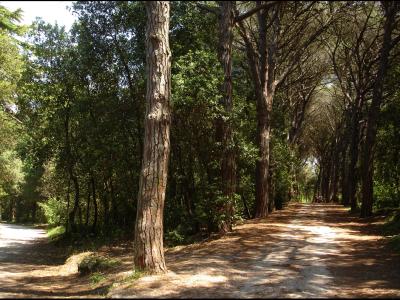
Outdoor activities abound in and around Rovinj. Visitors can enjoy swimming, snorkeling and kayaking in the clear water, or take boat trips to the nearby islands of St. Andrew and St. Catherine, as well as the small St. Thomas island. Cycling and hiking trails wind through pine forests, vineyards and olive groves, offering scenic routes for all levels. Punta Corrente, also called Zlatni Rt, the Golden Cape Forest Park, is a favorite spot for walking, picnicking and wildlife watching, with a planned system of paths and rocky coves for swimming. Near the town, Monkodonja is a Bronze Age hillfort, one of the best-preserved in Istria, and Valalta is one of the oldest naturist camps in the country.
Cultural life in Rovinj is rich and diverse, with museums, galleries and artisan workshops showcasing Istrian art, history and crafts. The town’s restaurants and konobas serve fresh seafood, homemade pasta and regional wines, best enjoyed with a view of the sunset over the sea. Local festivals, such as the Rovinj Summer Festival and the St. Euphemia Feast, celebrate the town’s traditions and community spirit. Italian is still widely spoken, and the town has a bilingual character.
Protected forest park with diverse native flora
17th-century Venetian arch marking Rovinj’s old town entr...
Adriatic marine life showcased in coastal Rovinj
Traditional wooden boats and maritime heritage
Small island refuge linked to Rovinj’s early settlers
Baroque arch marking Rovinj’s Venetian entrance
Cobblestone street with annual outdoor art show
Bronze Age hill-fort with stone terraces
Marina in Rovinj with modern berths and sea views
History & Heritage
18th-century Baroque church on Rovinj's hilltop
Pebble beaches and bike paths along Rovinj coast
17th-century baroque museum with Roman artifacts
Daily fresh produce and local Istrian crafts
Medieval peninsula town with narrow pedestrian alleys
Coastal forest park with diverse Mediterranean flora
Rovinj’s history stretches back to the 3rd century, when it was a Roman settlement known as Arupinium. Over the centuries the town grew as a fishing port and trading hub, reaching its golden age under Venetian rule from the 13th to the 18th centuries. The influence of Venice is visible in the town’s pastel facades, bell towers and ornate windows, as well as in the lively atmosphere of the harbor and main square. Until the 18th century, Rovinj was an island, and the channel between the island and the mainland was filled in, which explains the shape of the old town today. The town grew upward rather than outward, and its tall houses stand shoulder to shoulder on the rock.
The best time to visit is from April to September, with May, June, and September offering milder temperatures and fewer crowds. These months provide excellent conditions for sightseeing, cycling, and enjoying the relaxed pace of coastal life.
Rovinj is accessible by road from Pula, Trieste, and other regional centers, with regular bus connections and ample parking near the old town. During the summer, ferries also connect Rovinj to Venice and other Adriatic ports.
Visitors can enjoy swimming, snorkeling, and kayaking in the clear waters, or take boat trips to nearby islands like St. Andrew and St. Catherine. Additionally, cycling and hiking trails wind through pine forests, vineyards, and olive groves for all skill levels.
The heart of the town is the old town, featuring the Church of St. Euphemia, which offers panoramic views and houses the relics of the town’s patron saint. Cultural life is further enriched by museums, galleries, artisan workshops, and local festivals like the Rovinj Summer Festival.
Accommodation options range from boutique hotels and seaside resorts to private apartments and campsites, catering to all budgets. Dining features fresh seafood, homemade pasta, and regional wines served in restaurants and konobas, often with views of the sunset over the sea.
EUR
Croatian