

The Byzantine Castrum
Byzantine Castrum: Multi-era archaeological site
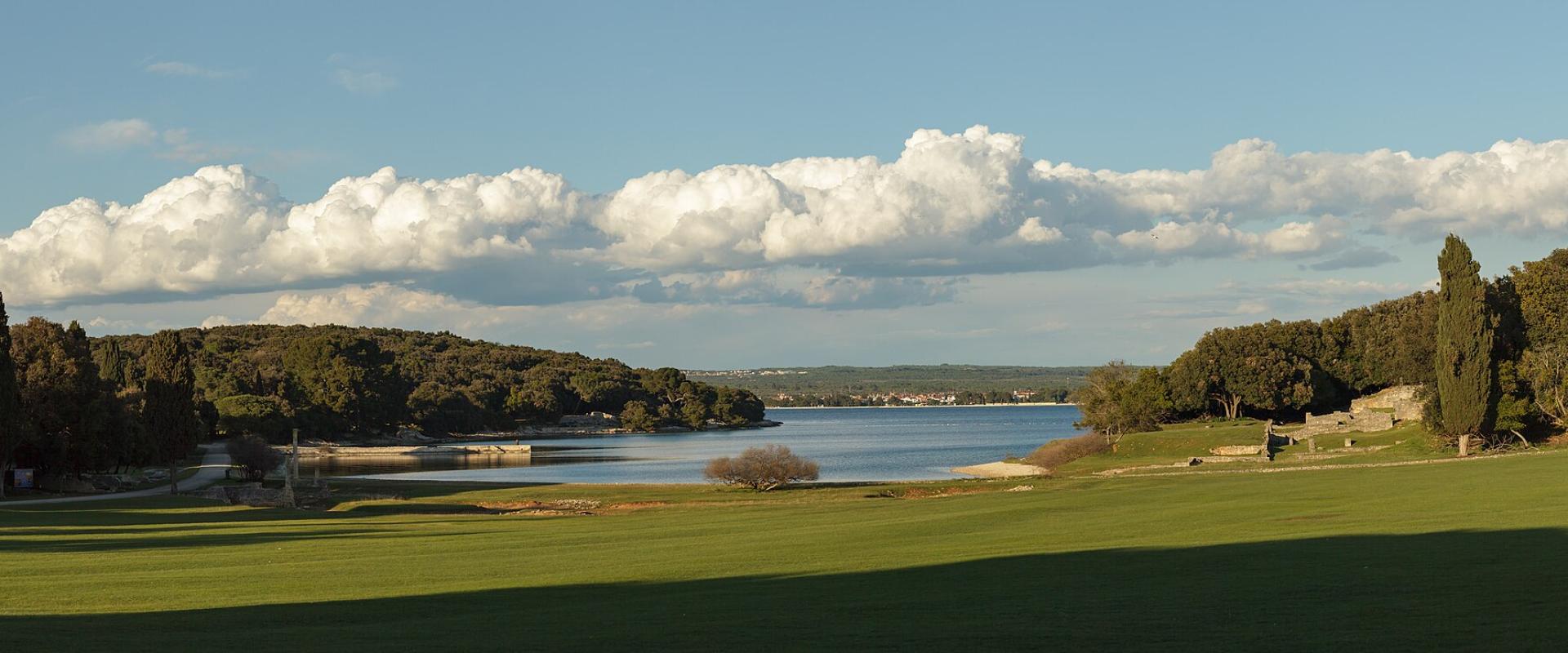
Picturesque archipelago with rich biodiversity
One of the main attractions on the Brijuni Islands is the Brijuni National Park itself, which offers a variety of outdoor activities and attractive landscapes. Visitors can explore the park’s diverse ecosystems, which include forests, meadows and rocky coastlines, teeming with wildlife. The park is home to over 250 species of birds, a favorite with birdwatchers. One of the highlights of a visit to Brijuni is the Safari Park, where visitors can see animals such as zebras, llamas and various species of deer roaming in a natural setting. Many of these animals were gifts from foreign leaders, among them elephants given by India’s prime minister, and descendants of some of them still live on the island. Another notable attraction is the ancient Roman villa at Verige Bay, which shows the islands’ historical significance, with well-preserved ruins of a large complex by the sea.
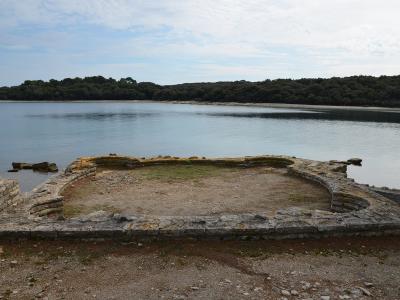
The Byzantine Castrum, a fortified settlement of the 6th century with the remains of a basilica, adds another layer, and St. Mary’s Basilica is a notable site within it. Visitors can also see the dinosaur footprints on the islands, left about 100 million years ago on the shore, a reminder of the area’s prehistoric inhabitants. The Olive Tree on Brijuni, said to be about 1,600 years old, is still bearing fruit, and it is one of the oldest in the Mediterranean. The islands also have several beautiful beaches that are good for swimming and sunbathing.
Byzantine Castrum: Multi-era archaeological site
1600-year-old olive tree still bearing fruit
Safari Park with exotic and native wildlife
Pristine bay within Brijuni National Park islands
Adriatic islands with Roman ruins and safari wildlife
130-million-year-old dinosaur footprints preserved
Historic Austro-Hungarian hotel with sea views
Museum showcasing Tito’s life and Brijuni history
The Brijuni Islands, located off the western coast of Istria, Croatia, are an archipelago of fourteen small islands, with Veliki Brijun the largest and most developed. The national park, established in 1983, covers an area of approximately 7.5 square kilometers and is known for its biodiversity, historical significance and natural beauty. The islands have a long history, having been inhabited since prehistoric times, and the Romans built luxury villas and olive estates here, while the Byzantines set up a fortified settlement. In the 19th century the industrialist Paul Kupelwieser bought the islands, cleared swamps and turned them into a health resort, and in 1893 the bacteriologist Robert Koch came to deal with malaria. They gained special prominence in the 20th century when they became a favorite retreat for Josip Broz Tito, the former leader of Yugoslavia. Tito transformed the islands into a luxurious getaway for political leaders and celebrities, leaving behind a legacy that still attracts visitors today, and the Tito Museum, in the park, shows photographs and gifts from his guests.
Visitors can reach the islands via regular ferry services departing from the coastal town of Fažana. The ferry ride takes approximately 15-20 minutes and offers picturesque views of the Adriatic Sea.
The best time to visit is during the spring and summer months, particularly from April to August, when the weather is warm and sunny. Autumn is also a good option for those seeking fewer crowds and pleasant temperatures.
Key attractions include the Safari Park with exotic animals like zebras and llamas, ancient Roman villa ruins with well-preserved mosaics, and dinosaur footprints. Visitors can also explore diverse ecosystems, birdwatch among over 250 species, and relax on beautiful beaches.
Once on the islands, visitors can explore the various trails and paths on foot or by renting bicycles. The islands are relatively small, making these the primary modes of transportation for getting around.
The islands have been inhabited since prehistoric times and gained prominence in the 20th century as a luxurious retreat for Yugoslav leader Josip Broz Tito. This legacy includes preserved historical sites like St. Mary's Basilica and the Roman villa, alongside the natural beauty of the national park established in 1983.
EUR
Croatian