

Gradska Plaža
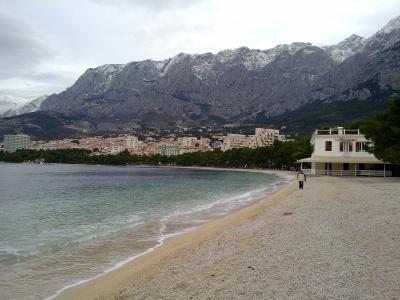
Golden sands beneath Biokovo’s rugged peaks
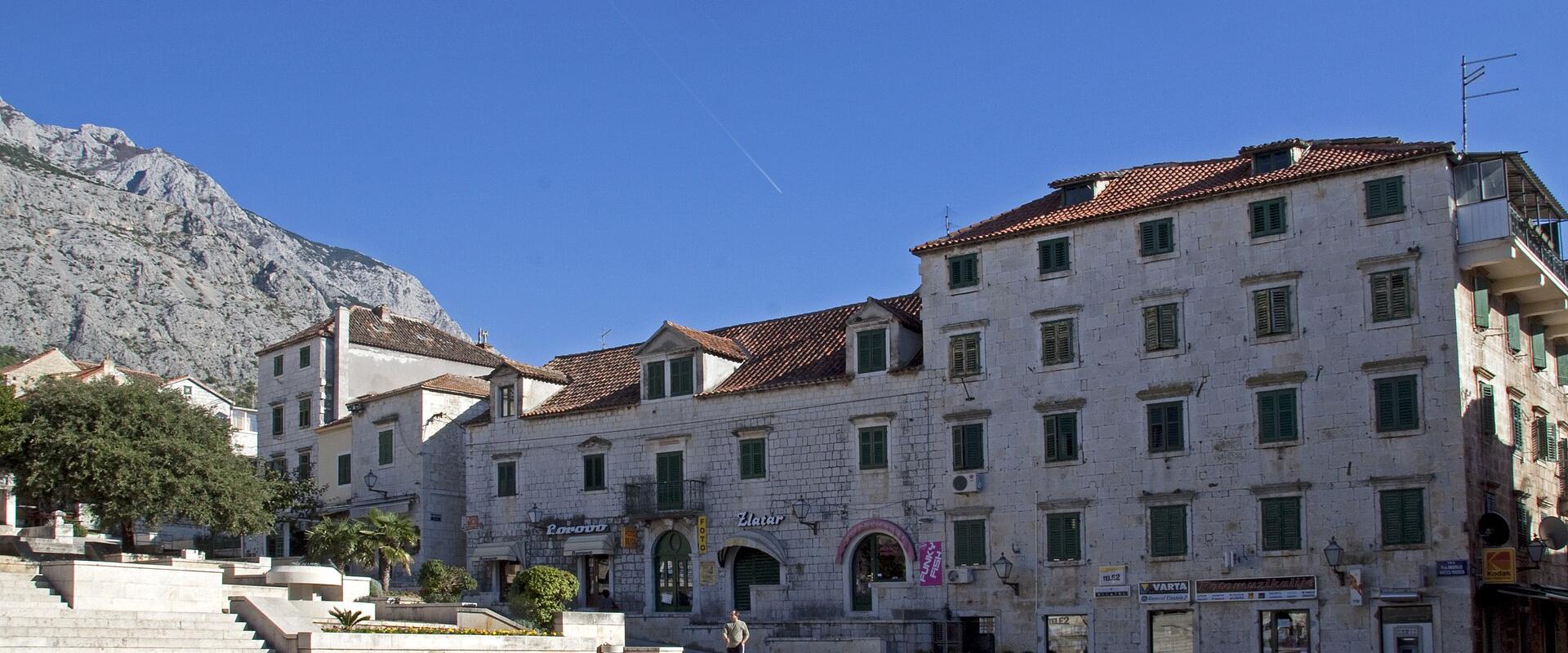
Adriatic Riviera town with beaches and Biokovo mountain views
The main attraction in Makarska is its Riviera, a stretch of long pebble beaches such as the city beach, Makarska Beach, Nugal Beach and Donja Luka Beach, all with clear turquoise water and family-friendly facilities. Buba Beach has a lively bar atmosphere, while Nugal, reached by a short walk along the coast, is a quiet, secluded cove. Water sports abound, including jet skiing, paddleboarding, parasailing and boat excursions to the nearby islands of Brač and Hvar. The town’s harbor is a hub for boat tours, fishing trips and sunset cruises, while the Adrenaline Park and cycling trails offer options for active visitors.
Makarska is also a gateway to Biokovo Nature Park, which includes the peak of Sveti Jure, the second-highest in Croatia. The Biokovo Skywalk, a glass platform that juts out above the cliffs, offers wide views over the coast and islands, and is reached by a winding road from the town. Hiking and climbing routes wind through the park’s rugged terrain, with chances to see wildflowers, butterflies and mountain goats. A hiking path with a barren landscape, locally nicknamed the Life on Mars Trail, is popular with outdoor enthusiasts, as are other paths along the coast and in the mountains. The park has a different climate from the shore, so a warm layer is advisable, and the weather can change quickly.
Cultural life in Makarska is lively, with summer festivals, open-air concerts and food events that celebrate local music, cuisine and traditions. The town’s restaurants serve fresh seafood, Dalmatian specialties and local wines, best enjoyed with a view of the sunset over the Adriatic. Nightlife ranges from relaxed beach bars to lively clubs and late-night cafes. Wines from the nearby Dalmatian hills, including the red Plavac Mali, are a good choice with grilled fish and lamb.
Practical matters are easy. Makarska has good bus links, a large marina and a wide choice of accommodation, and its position on the coastal road makes it a convenient stop between Split and Dubrovnik. Makarska is one of Croatia’s busiest coastal towns in summer. Visitors who want to see the nearby islands can take the ferry from Sućuraj or from the port of Makarska itself to Sumartin on Brač.
Golden sands beneath Biokovo’s rugged peaks
Glass-bottom skywalk with Adriatic sea views
Pebble beach beneath Biokovo’s pine-shaded slopes
Secluded nude-friendly beach with cliffs and snorkeling
Highest peak in Dalmatia with sea views
Glass skywalk on Biokovo mountain peak
Makarska’s history dates back to Roman times, but it flourished as a port and trading center during the Venetian and Ottoman periods, when it was a frontier town between the two powers and a gateway for goods coming from the interior. The old center is a maze of narrow streets, stone houses and lively squares, with highlights including St. Mark’s Church, the main square and the Franciscan Monastery with its unusual Malacological Museum, which displays a large collection of shells and marine life from the Adriatic and beyond. The palm-lined promenade, known as the Riva, is the center of Makarska’s social life, lined with cafes, restaurants and shops, and offering wide views of the sea and Biokovo’s towering peaks. The square in front of the church is named after the poet Andrija Kačić Miošić, a Franciscan from the district who became one of the best-loved writers in Croatian.
The best time to visit is from late June to late August, when the weather is hot and the sea is warm, allowing for full enjoyment of the beaches and outdoor activities.
The town is accessible by road from regional centers like Split and Dubrovnik, with regular bus services available. Additionally, there is ample parking available near the beaches and the town center.
Visitors can enjoy long pebble beaches like Maksk Beach and Nugal Beach, as well as water sports such as jet skiing and parasailing. The area also offers hiking trails, including the popular Skywalk, and cultural experiences like local festivals.
Restaurants in the area serve fresh seafood, Dalmatian specialties, and local wines, often with views of the sunset. Nightlife ranges from relaxed beach bars to lively clubs and late-night cafes, with many venues located along the palm-lined Riva promenade.
The old center features a maze of narrow streets and historic sites, including St. Mark’s Church and the Franciscan Monastery, which houses a unique malacological museum. The area is centered around the main square, offering a blend of history and local atmosphere.
EUR
Croatian