

Mljet Island
Mljet Island: National Park with saltwater lakes
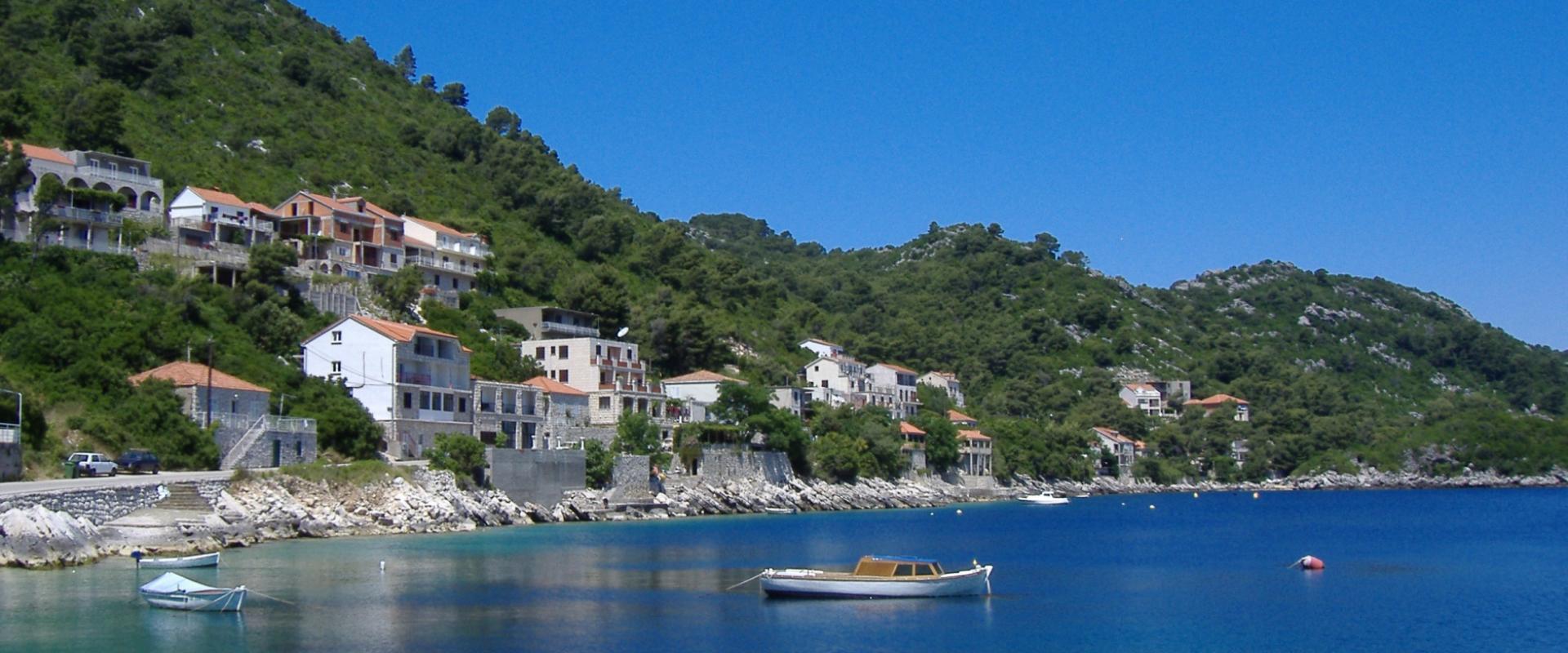
Croatia’s greenest island with saltwater lakes and caves
The crown jewel of Mljet is its National Park, called Mljet National Park, which covers the western third of the island. The park is famed for its two interconnected saltwater lakes, Veliko Jezero, the Great Lake, and Malo Jezero, the Small Lake, surrounded by lush forests and walking trails. In the middle of Veliko Jezero lies the tiny islet of St. Mary, home to a 12th-century Benedictine monastery that can be reached by a short boat ride. The monastery church and cloister are open to visitors, and a small cafe has a terrace on the water. The lakes are connected to the sea by a narrow channel, and the tides flow in and out, so the water is salty and warm. They are good for swimming, kayaking and cycling along the shaded paths that encircle their shores, and a full loop of the lakes on a bicycle takes a pleasant half day. The park’s visitor centers provide information on local flora, fauna and the island’s unique ecosystem.
Another highlight is Odysseus Cave, a dramatic sea cave on the southern coast near Babino Polje. According to legend, this is where the Greek hero Odysseus was shipwrecked and held captive by the nymph Calypso for seven years. The cave is accessible by boat or a steep footpath, and its turquoise water is good for snorkeling and cliff diving. The island also boasts several Roman ruins, including the remains of a 5th-century palace in Polače, a large late antique building by the sea whose walls and towers still stand in part, and picturesque villages such as Pomena and Goveđari, where visitors can experience authentic island life and sample local seafood. Polače is also the place where the ferry from Dubrovnik arrives in summer, and the ruins can be seen on the way to the national park.
Mljet’s coastline is dotted with hidden beaches and coves, many of which are accessible only by boat or on foot. The sandy bay of Saplunara, at the island’s southeast end, is among the few sand beaches in Dalmatia, and its shallow water suits families. The waters around the island are teeming with marine life, which makes it a popular destination for snorkeling and diving, and a coral reef off the coast is a protected feature. Adventurous visitors can explore the island’s network of hiking and mountain biking trails, which offer panoramic views of the Adriatic and the surrounding archipelago. Kayaking, paddleboarding and sailing are also popular ways to discover the island’s secluded bays and inlets.
Food on Mljet is simple and local: fish and shellfish, goat and lamb, olive oil, honey, figs and wine, including the strong red Plavac Mali. Small konobas in Pomena, Polače and Goveđari serve grilled fish, octopus under a peka and the island’s sweet specialty, a cake made with almonds and honey.
Mljet Island: National Park with saltwater lakes
Croatia’s only coral reef on Mljet Island
12th-century Benedictine monastery in Mljet National Park
Legendary cave where Odysseus was held captive
5th-century Roman palace with waterfront towers
Saltwater lakes and 12th-century monastery island
5th-century Roman palace ruins in Polace
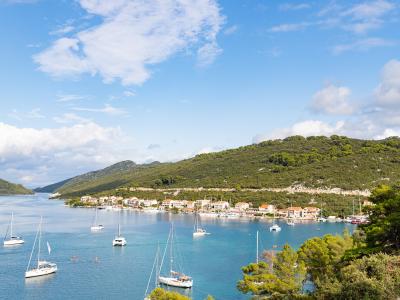
Mljet Island, often called the greenest island in Croatia, lies off the southern Dalmatian coast between Dubrovnik and Korčula. Its reputation as a sanctuary of natural beauty is well deserved, with dense pine forests, dramatic cliffs and secluded bays that define its landscape. The island’s history stretches back to antiquity, with Greek sailors first mentioning it as Melita. Later the Romans established settlements and built villas, remnants of which can still be found near Polače. Over the centuries Mljet was governed by the Byzantine Empire, the Benedictine order and the Republic of Ragusa, as Dubrovnik was then known, each leaving a mark on the island’s culture and architecture. In 1151 the island was given to the Benedictines of Monte Gargano, who founded the monastery on the lake, and in 1333 the monks passed it to Ragusa, which ruled it until 1808. A mongoose was brought to the island in the early 20th century to control snakes, and descendants still live here, a curious detail that surprises visitors.
Mljet is accessible via regular ferry and catamaran services connecting the island to Dubrovnik, Split, and the Pelješac Peninsula. The primary ports of entry are Sobra, Polače, and Pomena, which provide access to different parts of the island.
The park features two interconnected saltwater lakes, Veliko Jezero and Malo Jezero, surrounded by lush forests and walking trails. Visitors can take a short boat ride to the islet of St. Mary, which is home to a 12th-century Benedictine monastery.
Mljet features remnants of Roman settlements and villas near Polače, including the remains of a 5th-century palace. The island also holds a 12th-century Benedictine monastery on the islet of St. Mary and bears influences from the Byzantine Empire and the Republic of Ragusa.
Popular activities include swimming, kayaking, and cycling along the shaded paths around the national park's lakes. Adventurous travelers can also explore hiking and mountain biking trails, or enjoy snorkeling and cliff diving at Odysseus Cave.
Accommodation options range from family-run guesthouses and small hotels to campsites and private apartments. These are particularly concentrated in the villages of Pomena, Polače, and Saplunara.
EUR
Croatian