

Memorijalno Groblje Vukovar
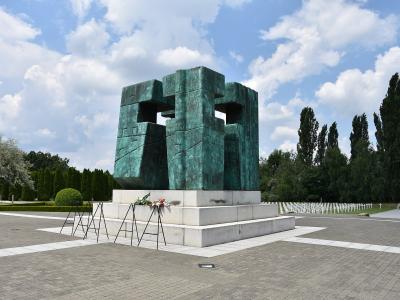
Memorial cemetery honoring 1991 Croatian war victims
Hero City on the Danube with memorials and museums
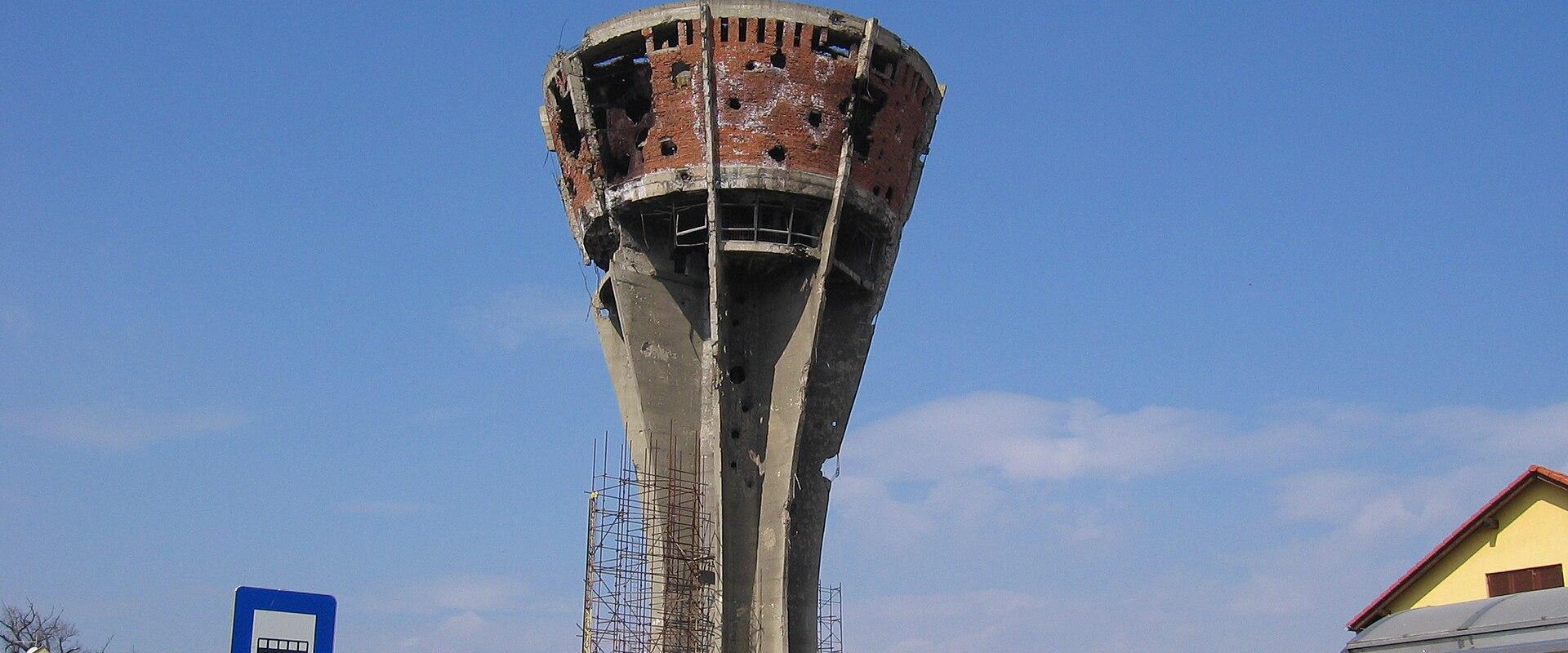
The most defining chapter in Vukovar’s modern history came during the Croatian War of Independence in the early 1990s. In 1991 the city endured a siege of 87 days, in which it was bombarded by Yugoslav army and Serb forces, and became a symbol of resistance and suffering. Today Vukovar is known as the Hero City, and its landscape is marked by memorials and sites of remembrance. The Vukovar Water Tower, heavily damaged during the war and now restored, though with its scars deliberately left visible, is a powerful symbol of the city’s endurance, and the exhibition inside gives a view over the city. The Memorial Cemetery of the Homeland War and the Ovčara Memorial Center honor the victims and provide insight into the events that shaped Vukovar’s identity. Visits are best made quietly and with respect, and the memorial sites are free to enter or have modest fees.
Vukovar’s cultural life is also rich. The Vukovar City Museum, housed in the elegant Eltz Manor, shows the city’s history, art and archaeology, with exhibits ranging from prehistoric artifacts to modern works. The Vučedol Culture Museum, located just outside the city on the site of an important prehistoric settlement, explores the ancient Vučedol civilization, one of Europe’s earliest and most advanced prehistoric cultures. Its best-known object, the Vučedol Dove, a ceramic vessel in the shape of a bird, has become a symbol of Croatia and appeared on the 20 kuna banknote, and the museum building is partly sunk into the hillside. The Church and Monastery of St. Philip and St. James, with its baroque architecture and peaceful gardens, is another highlight, reflecting the city’s spiritual heritage.
Strolling along the Danube promenade, visitors can enjoy river views, parks and outdoor cafes. The city’s main square and historic streets feature a blend of Austro-Hungarian and modern architecture, with lively markets and local shops offering regional products. Vukovar is also a gateway to the wine region of Ilok, where visitors can tour renowned wineries and sample local varieties. The Vukovar Days of Danube and the film festival bring life to the town in summer, and the beach on the river, Adica, is popular with locals.
The Danube forms the border with Serbia here, and the river is wide and slow. A cycling path follows the bank, and boat tours show the city from the water. The surrounding plain is rich farmland, and the loess bluffs around Vučedol give the landscape a distinct profile.
Memorial cemetery honoring 1991 Croatian war victims
Eneolithic culture and ancient innovations site
Symbol of Vukovar’s resilience and history
Vukovar’s history stretches back to ancient times, with archaeological evidence of settlements from the Neolithic and Roman eras. The city’s strategic location at the confluence of the Vuka and the Danube made it a vital trading and cultural crossroads through the centuries. In the medieval period Vukovar flourished as a regional center and later became part of the Habsburg Monarchy, developing a distinctive architectural and multicultural character. In the 18th century the Eltz family, counts from the Rhineland, acquired the estate and built the baroque manor on the riverbank, and the town grew with Croats, Serbs, Germans, Hungarians and Slovaks living side by side.
The best time to visit is from May to September, when the weather is warm and ideal for outdoor activities. Summer offers peak temperatures of 25–30°C (77–86°F), while spring and early autumn provide pleasant conditions with fewer crowds.
Vukovar is well-connected by road and rail to major Croatian cities like Osijek and Zagreb, with regular buses and trains serving the area. Additionally, the city’s river port welcomes cruise ships and private boats, offering an alternative arrival method.
Key sites include the Vukovar Water Tower, the Memorial Cemetery of the Homeland War, and the Ovčara Memorial Center, which honor the city's resilience and history. For deeper historical context, the Vučedol Culture Museum explores the ancient Vučedol civilization just outside the city.
The Vukovar City Museum, located in the elegant Eltz Manor, showcases the city's history, art, and archaeology. Visitors can also explore the Church and Monastery of St. Philip and St. James, which features baroque architecture and peaceful gardens reflecting the city's spiritual heritage.
Accommodation options range from hotels and guesthouses to family-run apartments to suit various budgets. Visitors can also enjoy the Danube promenade, historic markets, and nearby wine tours in the Ilok region to sample local varietals.
EUR
Croatian