

Korana River Promenade
Activities & Adventure · Coastal & Maritime
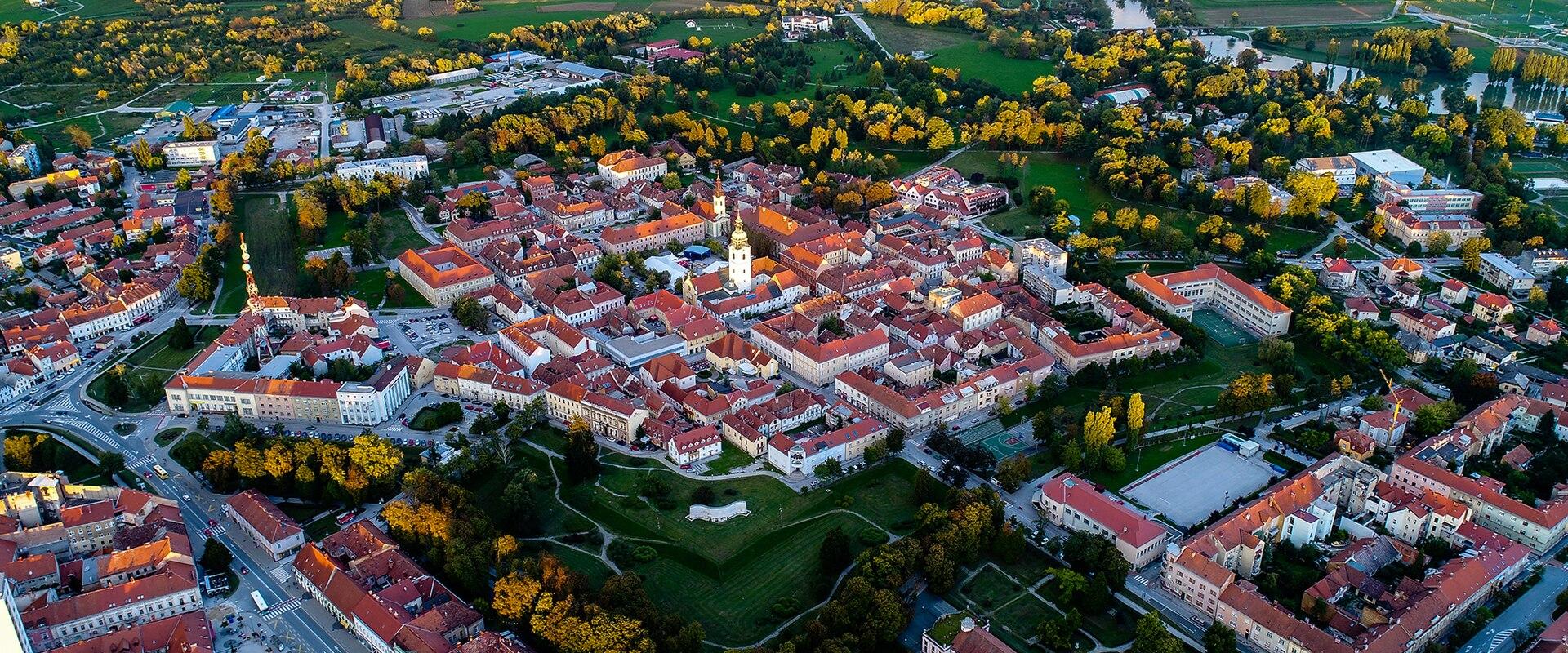
Star-shaped city at the confluence of four rivers
Karlovac was established in 1579 as a Habsburg military stronghold designed to defend against Ottoman advances. Its unique urban planning reflects this defensive origin, featuring a star-shaped Renaissance fortress layout that remains visible today. The city was built at the confluence of four rivers—the Kupa, Korana, Dobra, and Mrežnica—which provided natural barriers and facilitated trade. This strategic location transformed Karlovac into a vital border town, shaping its cultural and architectural identity over five centuries. The historic old city quarter retains its original hexagonal bastioned layout, a rare example of military urbanism in Central Europe. Over time, the city evolved from a fortress into a thriving regional center, blending its martial past with a vibrant civic life. The preservation of these fortifications offers a tangible link to the region’s complex history of conflict and resilience.
Main Attractions
The star-shaped core of Karlovac is its most defining feature, with wide green promenades intersecting at precise angles. Dubovac Castle, perched on a hill above the Kupa River, is one of the best-preserved feudal monuments in the region. It houses a museum detailing the city’s military and social history, offering panoramic views of the surrounding landscape. The Nikola Tesla Experience Center celebrates the birthplace of the renowned inventor, featuring interactive exhibits that engage visitors with his scientific legacy. Aquatika, a freshwater aquarium, showcases the aquatic biodiversity of the region’s rivers, providing an educational and visually engaging experience. The Homeland War Museum Turanj offers insights into Croatia’s recent history, while the Korana Pontoon Bridge invites visitors to cross the river and enjoy the scenic banks. These landmarks collectively highlight the city’s rich heritage and natural beauty.
Activities
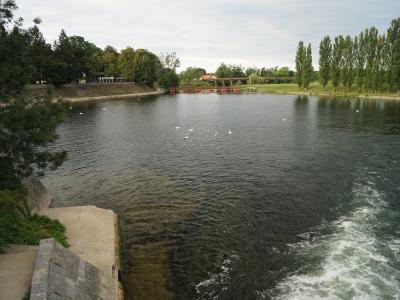
Visitors can explore Karlovac on foot, navigating the star-shaped streets and green spaces that define the city. Cycling is a popular activity, with routes connecting the historic center to nearby natural areas. Hiking trails lead to nearby summits such as Martinščak, offering scenic views of the city and rivers. The Korana River provides opportunities for relaxation, with Foginovo Beach serving as a local spot for swimming and sunbathing during warmer months. The city’s cultural calendar includes events like St. John’s Eve Bonfires and the Starry Summer festival, which bring the community together. Visitors can also enjoy the local culinary scene, which emphasizes regional produce and traditional dishes. The blend of urban exploration and outdoor activities ensures a varied experience for all types of travelers.
Getting There
Karlovac is located approximately 55 kilometers southwest of Zagreb, making it easily accessible by car or public transport. Regular bus services connect Karlovac to Zagreb and other major cities in Croatia, with journeys taking about an hour. For those driving, the A1 highway provides a direct route, with clear signage leading to the city center. Public transportation within Karlovac is limited, but the compact size of the historic center makes walking the most convenient way to explore. Taxis and ride-sharing services are available for longer distances or late-night travel. The city’s central location in Croatia makes it an ideal base for exploring the surrounding region, including nearby national parks and towns.
Best Time to Visit
Activities & Adventure · Coastal & Maritime
Historic Houses · Museums
Renaissance six-pointed star fortress founded in 1579, now the historic core of Karlovac
Free · Activities & Adventure · Natural Wonders
Historic Houses · Museums
Museums
History
Karlovac is located approximately 55 kilometers southwest of Zagreb and is easily accessible by car or regular bus services. Journeys via public transport typically take about an hour.
The city features a rare star-shaped Renaissance fortress layout with a hexagonal bastioned design, established in 1579 as a Habsburg military stronghold. This defensive origin is still visible today in the historic old city quarter.
Dubovac Castle offers panoramic views and houses a museum of the city's military and social history, while the Nikola Tesla Experience Center features interactive exhibits about the inventor's legacy. Additionally, the Homeland War Museum Turanj provides insights into Croatia’s recent history.
Visitors can explore the city on foot or by cycling, with routes connecting the center to natural areas. Hiking trails lead to summits like Martinščak for scenic views, and the Korana River offers relaxation spots such as Foginovo Beach for swimming and sunbathing.
The city hosts events like the St. John’s Eve Bonfires and the Starry Summer festival, which bring the community together. These events highlight the vibrant civic life that has evolved alongside the city's martial past.
EUR
Croatian