

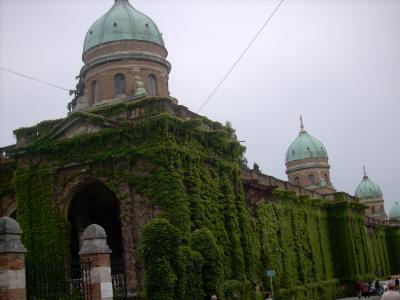
Mirogoj Cemetery
Architectural masterpiece and multi-faith resting place
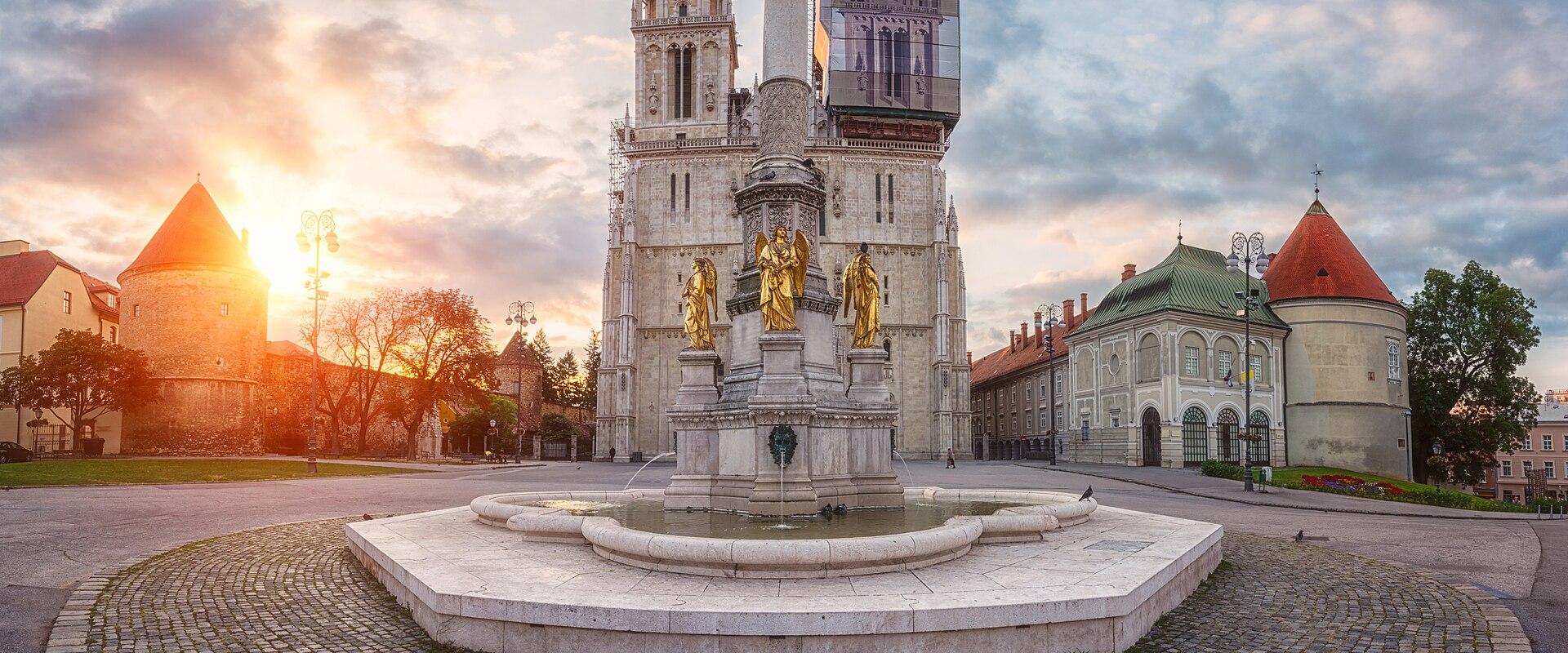
Croatia’s lively capital with parks, museums, and café culture
Zagreb is a city of museums and galleries. Highlights include the Museum of Broken Relationships, the Mimara Museum, which holds a large collection of European art from many periods, and the Croatian Museum of Naïve Art, with works by self-taught painters. The Archaeological Museum, the Ethnographic Museum, the Museum of Arts and Crafts and the Strossmayer Gallery of Old Masters complete a long list, and the Meštrović Atelier shows the work of Croatia’s best-known sculptor in the house where he lived. The Technical Museum Nikola Tesla includes a mine tunnel and old aircraft. The city’s parks and green spaces, such as Zrinjevac and Maksimir Park, provide peaceful retreats for locals and visitors alike. Maksimir, opened in the 1790s, is the oldest public park in the region and holds the zoo, and Jarun Lake and Bundek are used for swimming, rowing and picnics. The Dolac Market, with its red umbrellas and fresh produce, is a sensory delight and a good place to sample local specialties such as cheese, cream and cured meat.
Cultural life in Zagreb is lively and diverse, with a calendar full of music festivals, open-air concerts and street performances. The Croatian National Theatre, a grand building of the 1890s on the western side of the Lower Town, stages opera, ballet and drama. The city’s cafe culture is legendary, with locals and visitors lingering over coffee on the many outdoor terraces that line the streets, especially on Saturday mornings. Zagreb’s culinary scene features a mix of traditional Croatian dishes, such as štrukli, a baked cheese pastry, and veal under the peka, together with international cuisine and inventive fusion restaurants, while the city’s bars and clubs offer nightlife for every taste. In December the Advent market, with stalls along the squares and a skating rink, has won awards as one of the best in Europe.
Outdoor enthusiasts can explore the nearby Medvednica Mountain, which offers hiking, skiing and panoramic views over the city. A cable car and a road lead to the summit, Sljeme. Day trips to the castles, vineyards and thermal spas of the surrounding region are easily arranged by car or public transport, among them Samobor, Zagorje and the Plešivica wine hills. For a quieter moment, Mirogoj Cemetery, designed in the 19th century, is a park-like place of arcades, domes and monuments, and the Tuškanac Forest and Park Ribnjak offer shaded walks close to the center.
Architectural masterpiece and multi-faith resting place
Gothic cathedral with twin spires and historic relics
Historic Zagreb district with medieval landmarks
Urban oasis with diverse rare plant species
Vibrant daily market with fresh local produce
Historic pedestrian street once a bustling creek
Interactive optical illusions in Zagreb center
Art Nouveau gallery with historic glass dome
Recreational lake with beaches and biking trails
Croatia's oldest archaeological museum, founded 1836
Historic 100-year-old opera and ballet venue
13th-century tower with daily noon cannon blast
Zagreb's oldest public park with five lakes and a zoo
Zagreb's oldest public park, open 24/7
19th-century music pavilion in Zagreb's green heart
Zagreb's only surviving medieval gate housing a revered 1...
Zagreb's central square with a 19th-century governor statue
Former quarry turned urban oasis with lake and sports fac...
Baroque church in Zagreb's historic center
2 million specimens in historic Amadeo Palace
Zagreb's oldest museum, housing rare natural history coll...
Historic WWII shelter and free underground passage
Ivan Mestrovic's former studio and sculptural garden
Croatia's oldest museum of applied arts
Museum of personal heartbreak stories in Kulmer Palace
Zagreb City Museum showcasing urban history and heritage
Central Zagreb park behind the Croatian National Theatre
Historic park housing Zagreb's visual arts education center
Unfinished 1980s hospital complex in Zagreb
Zagreb's 3,000-item tech museum with planetarium
Zagreb forest home to Michelin-starred Dubravkin Put
1925 Maksimir Park zoo with 275 species
15th-19th century European Old Masters in a neo-Renaissan...
Zagreb's shortest funicular connecting Lower and Upper Town
Croatian folk heritage in a stately early twentieth-century building
Zagreb's largest contemporary art museum
Neo-Renaissance palace housing Ante Topić Mimara's eclect...
Zagreb’s history stretches back to the Middle Ages, when two hilltop settlements, Kaptol and Gradec, merged to form the city’s historic core. Kaptol was the seat of the bishop and the cathedral, while Gradec was a free royal town of merchants and craftsmen, and for centuries the two were rivals separated by a stream, now the street called Tkalčićeva. Over the centuries Zagreb grew as a center of trade, culture and politics, becoming the capital of Croatia in the 19th century and the capital of the independent country in 1991. Today the city’s Upper Town is home to some of its most iconic sights, including St. Mark’s Church with its colorful tiled roof, the medieval Stone Gate, where candles burn before a painting of the Virgin, and the Lotrščak Tower, which offers panoramic views and fires a cannon daily at noon. The Church of St. Catherine, a Baroque church, and the Museum of Broken Relationships, which displays objects left by former couples, are among the quiet attractions. The Zagreb Funicular, a short cable railway from 1890, joins the Lower and Upper Towns in about a minute. The Lower Town is characterized by wide boulevards, elegant Austro-Hungarian architecture and lively squares such as Ban Jelačić Square, the city’s main gathering place.
The best time to visit is from late May to mid-September, when the weather is warm and festivals are at their peak. Spring and early autumn are also ideal for those seeking mild temperatures and fewer crowds.
Zagreb’s compact center is best explored on foot or by tram, utilizing the city's efficient public transport network. The main train and bus stations also provide connections to destinations across Croatia and beyond.
Key sights include St. Mark’s Church with its colorful tiled roof, the medieval Stone Gate, and the Lotrščak Tower. The tower offers panoramic views and fires a cannon daily at noon.
The city features a legendary café culture, diverse museums like the Museum of Broken Relationships, and a lively culinary scene. Visitors can sample local specialties at the Dolac Market or enjoy traditional Croatian dishes and international cuisine.
Yes, outdoor enthusiasts can explore Medvednica Mountain for hiking, skiing, and panoramic views. Day trips to nearby castles, vineyards, and thermal spas are also easily arranged by car or public transport.
EUR
Croatian