

 Natural Attractions
Neretva River
The Neretva River is one of the most famous natural attractions in Bosnia and Herzegovina and a symbol of Herzegovina. Known for…
Discover more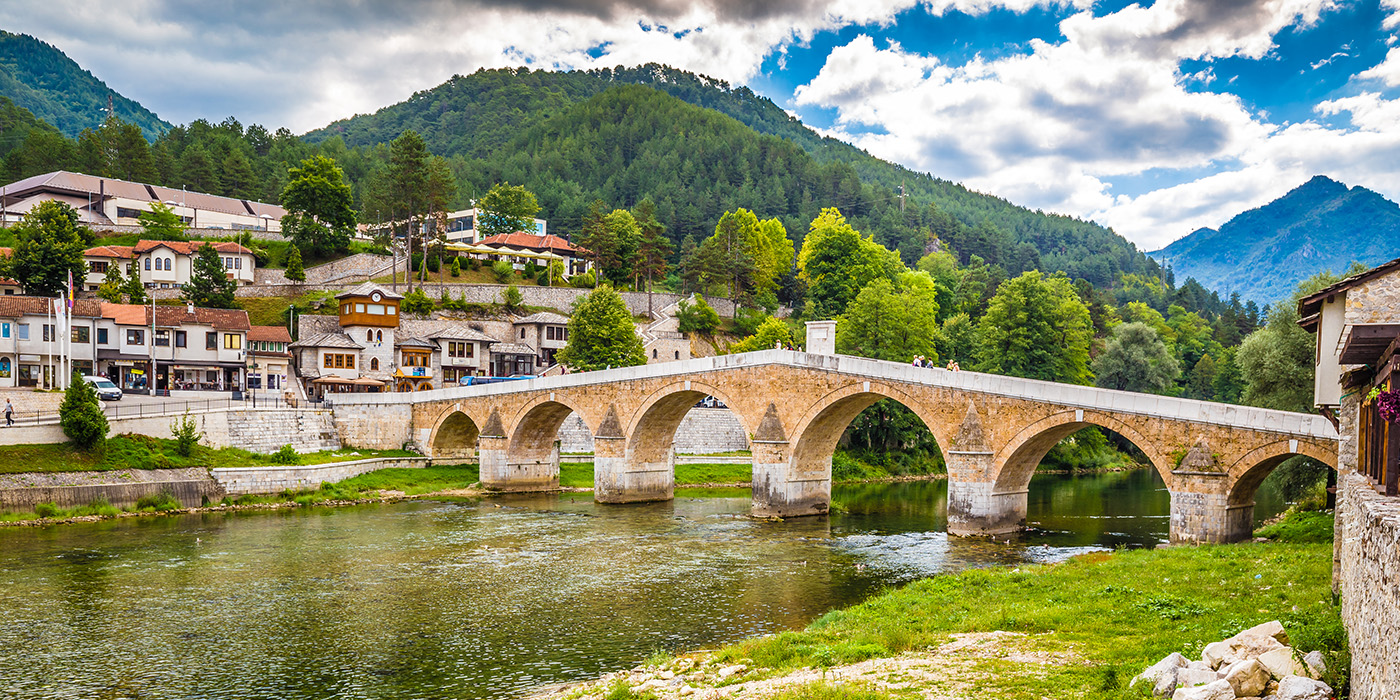
A town where mountains meet the emerald Neretva — historic bridges, Ottoman heritage, untouched nature, and some of Bosnia and Herzegovina’s best outdoor adventures.
Konjic is one of the oldest towns in Bosnia and Herzegovina, located on the banks of the emerald-green Neretva River between Sarajevo and Mostar.
Surrounded by the mountains of Prenj, Bjelašnica, Visočica, and Bitovnja, Konjic combines rich cultural heritage with some of the most impressive natural scenery in the country. The area has been inhabited for thousands of years, while the town itself developed as an important trading point on the historic route connecting inland Bosnia with the Adriatic coast.
Today, Konjic is particularly famous for its Ottoman Old Bridge, traditional woodcarving, rafting on the Neretva, Boračko Lake, and the former Yugoslav nuclear bunker known as Tito’s Bunker.
Its location almost exactly between Sarajevo and Mostar makes Konjic an ideal stop for travellers exploring Bosnia and Herzegovina.
Discover the landmarks that make Konjic one of a kind.
Natural Attractions
The Neretva River is one of the most famous natural attractions in Bosnia and Herzegovina and a symbol of Herzegovina. Known for…
Discover more Natural Attractions
Orlovača Cave is one of the largest and most beautiful caves in BiH, in the Pale municipality, just eighteen kilometres from Sarajevo.…
Discover more Landmark
Via Ferrata Bijele Stijene on Trebević is one of the most attractive ferratas near Sarajevo and an excellent choice for anyone who…
Discover more Landmark
Located in the heart of the mountain village of Umoljani, this spacious cottage offers the ideal combination of nature, comfort, and privacy.…
Discover more Natural Attractions
The Neretva Canyon is one of the most magnificent natural sights in Herzegovina, lying along the M-17 (E73) main road between Jablanica…
Discover more Natural Attractions
Jablanica Lake is one of the most beloved summer retreats in Bosnia and Herzegovina, set on the Neretva River between Konjic and…
Discover more Bridges & Aqueducts
Via Ferrata Prenjska Vrata is one of the newest and most unusual via ferratas in Bosnia and Herzegovina. It is located on…
Discover more Landmark
Get to know Mostar through its stories, rich history, culture, and gastronomy with Mario Čule, a licensed tour guide. Guided tours include…
Discover more Landmark
Located on the slopes of Bjelašnica, at around 1,200 metres above sea level, Čuhovići is one of those rare places where time…
Discover more Natural Attractions
Rafting on the Neretva River is one of the most thrilling adrenaline experiences in Bosnia and Herzegovina, known for its turquoise water,…
Discover more Landmark
One of the largest underground facilities ever built in the former Yugoslavia, located inside a hill at the foot of Mount Zlatar,…
Discover more Natural Attractions
Prenj is one of the most beautiful, yet most rugged mountains in BiH, in the heart of the Dinarides in northern Herzegovina.…
Discover more Natural Attractions
Prenj, also known as the Herzegovinian Himalayas, is one of the wildest mountains in Bosnia and Herzegovina. Its massif rises abruptly above…
Discover more Landmark
Dino Raft is a rafting center from Konjic, founded in 2008, that organizes exciting adventures on the emerald Neretva River, through some…
Discover more Archaeological Sites
The Grčka glavica necropolis is located in the village of Biskup near Glavatičevo, about 30 km southeast of Konjic. Along a gravel…
Discover more Landmark
Inesraft is a rafting center located on the Neretva River near Konjic, known for organizing safe and unforgettable adventures through one of…
Discover more Landmark
Learn Bosnian With Amina is an online Bosnian language school designed for anyone who wants to learn Bosnian in a practical, engaging,…
Discover more Natural Attractions
The Rakitnica Canyon is one of the best-kept secrets of Bosnia and Herzegovina – a deep cleft where nature still rules. Set…
Discover more Museums & Galleries, Natural Attractions
Nestled on the southern slopes of Bjelašnica at a remarkable 1,495 meters above sea level, Lukomir is the last authentic mountain village…
Discover more Natural Attractions
Boračko Lake, an emerald gem at the north-eastern foot of Mount Prenj, is the only glacial lake in this part of Herzegovina.…
Discover more Bridges & Aqueducts
The Old Bridge in Konjic is one of the most beautiful stone bridges of the Ottoman period in Bosnia and Herzegovina and…
Discover more Natural Attractions
Visočica is a mountain on the natural border of Bosnia and Herzegovina, surrounded by canyons and rivers that separate it from neighboring…
Discover more Museums & Galleries
The Woodcarving Museum in Konjic is a unique cultural institution dedicated to the centuries-old tradition of Konjic woodcarving, which was inscribed on…
Discover more Landmark
Nestled in the embrace of high mountains and the crystal-clear, icy Neretva, Glavatičevo is a place where nature still whispers ancient mysteries.…
Discover more Landmark
Hidden far from the crowds and the best-known tourist routes, Crni vir Waterfall is a true little natural treasure near Konjic. Located…
Discover more Archaeological Sites, Parks & Gardens
The archaeological monuments in Konjic are located in Park na Vardi, below the Community Center, and represent a valuable segment of the…
Discover more Museums & Galleries
Zavičajni muzej Konjic preserves the city's rich cultural and historical heritage through collections of archaeological, ethnographic, and artistic exhibits. Zavičajni muzej Konjic…
Discover more Natural Attractions
Rama Lake, often called the pearl of Herzegovina, is a vast reservoir on the Rama River in the Prozor-Rama municipality. It was…
Discover more Archaeological Sites
The archaeological site of Gradac, located between Ljubunci and Uzdol in the municipality of Prozor-Rama, is one of the most important sites…
Discover moreChoose a place and get a little closer to its story.
Illustrated explorer · positions are not geographic
The Neretva River is one of the most famous natural attractions in Bosnia and Herzegovina and a symbol of Herzegovina. Known for…
Explore this place ↗Orlovača Cave is one of the largest and most beautiful caves in BiH, in the Pale municipality, just eighteen kilometres from Sarajevo.…
Explore this place ↗Via Ferrata Bijele Stijene on Trebević is one of the most attractive ferratas near Sarajevo and an excellent choice for anyone who…
Explore this place ↗Located in the heart of the mountain village of Umoljani, this spacious cottage offers the ideal combination of nature, comfort, and privacy.…
Explore this place ↗The Neretva Canyon is one of the most magnificent natural sights in Herzegovina, lying along the M-17 (E73) main road between Jablanica…
Explore this place ↗Jablanica Lake is one of the most beloved summer retreats in Bosnia and Herzegovina, set on the Neretva River between Konjic and…
Explore this place ↗Via Ferrata Prenjska Vrata is one of the newest and most unusual via ferratas in Bosnia and Herzegovina. It is located on…
Explore this place ↗Get to know Mostar through its stories, rich history, culture, and gastronomy with Mario Čule, a licensed tour guide. Guided tours include…
Explore this place ↗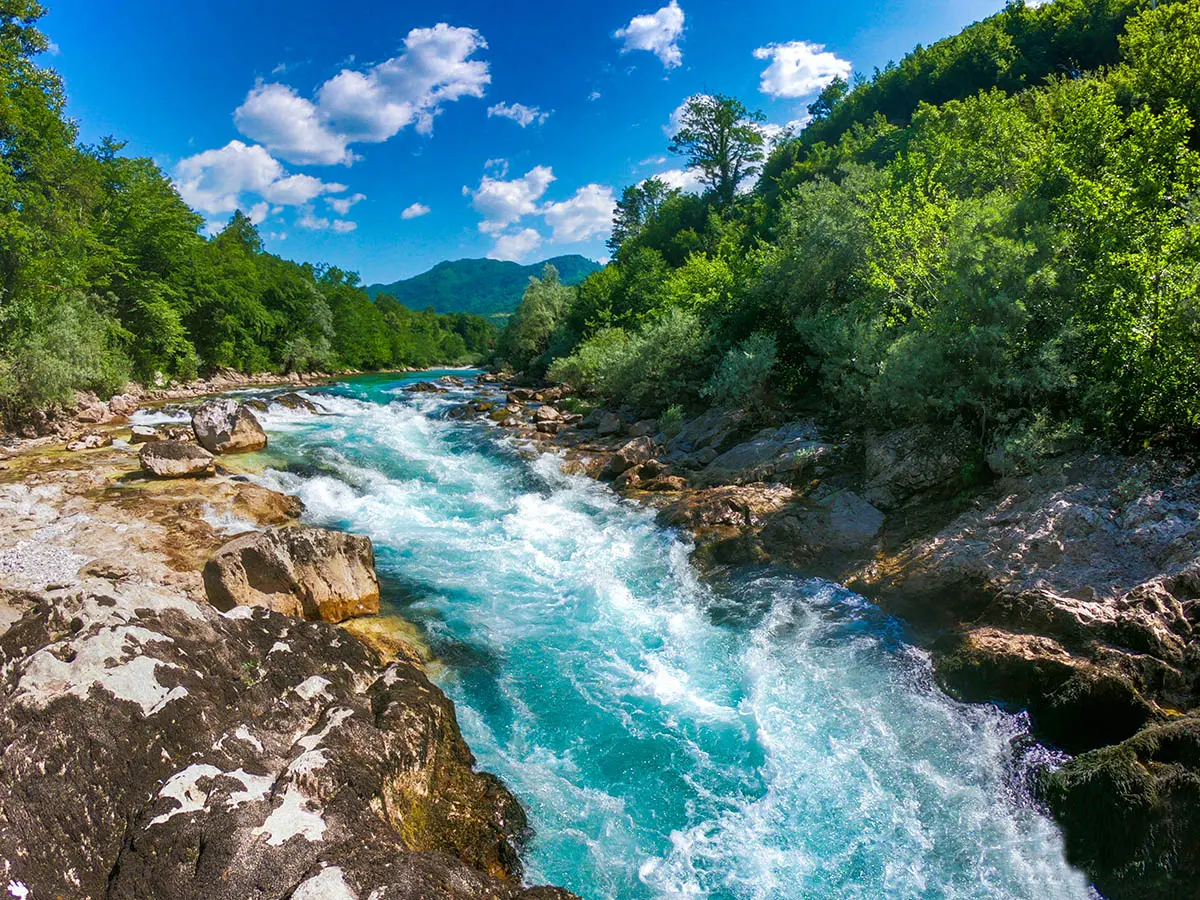 Rivers
As one of the world’s coldest rivers, the Neretva stands out with its emerald green waters. Originating from the Zelengora and Lebršnik…
Discover more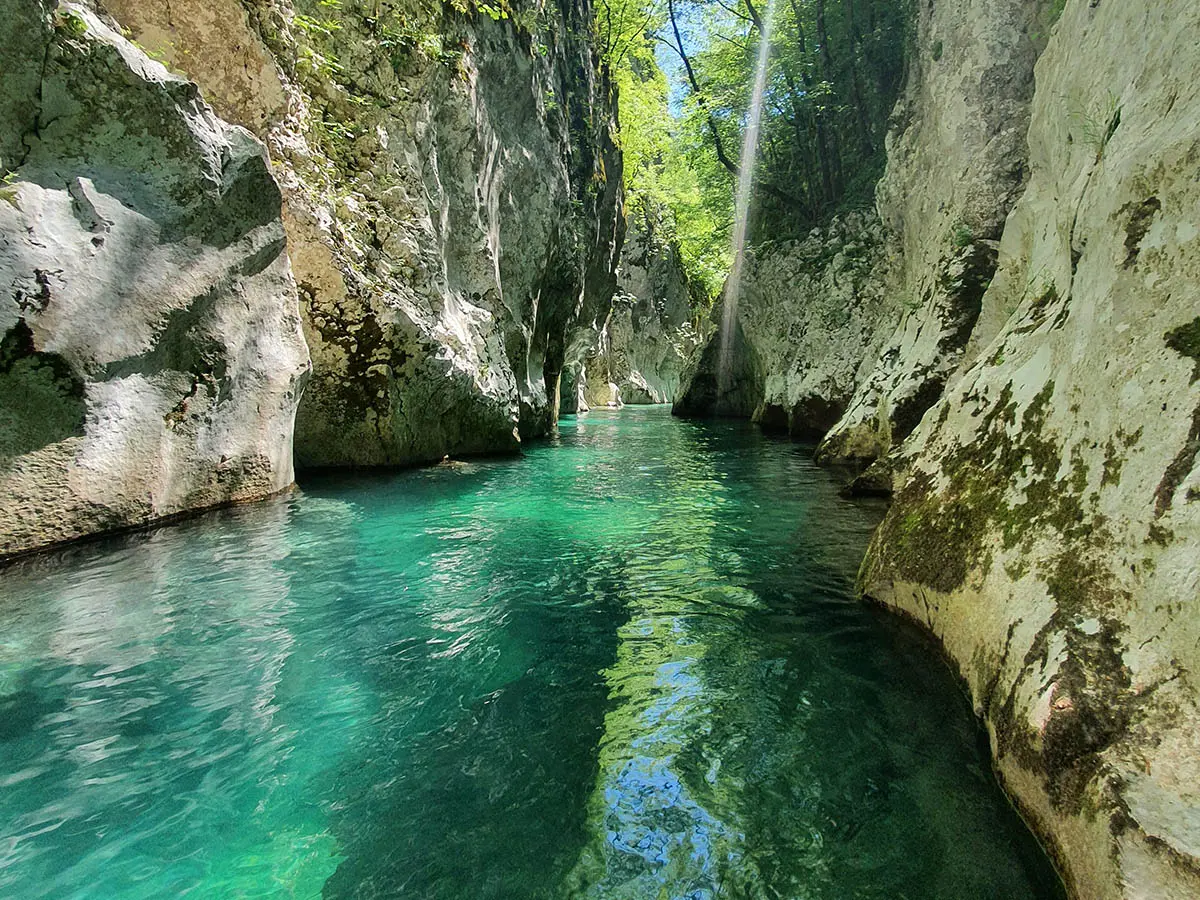 Rivers
Rakitnica, a tributary of the Neretva River, has carved a 26-kilometer-long canyon that reaches depths of up to 1000 meters and, at…
Discover moreFrom centuries-old bridges and secret underground bunkers to mountain lakes and wild rivers — Konjic offers much more than its small size suggests.
 Rafting
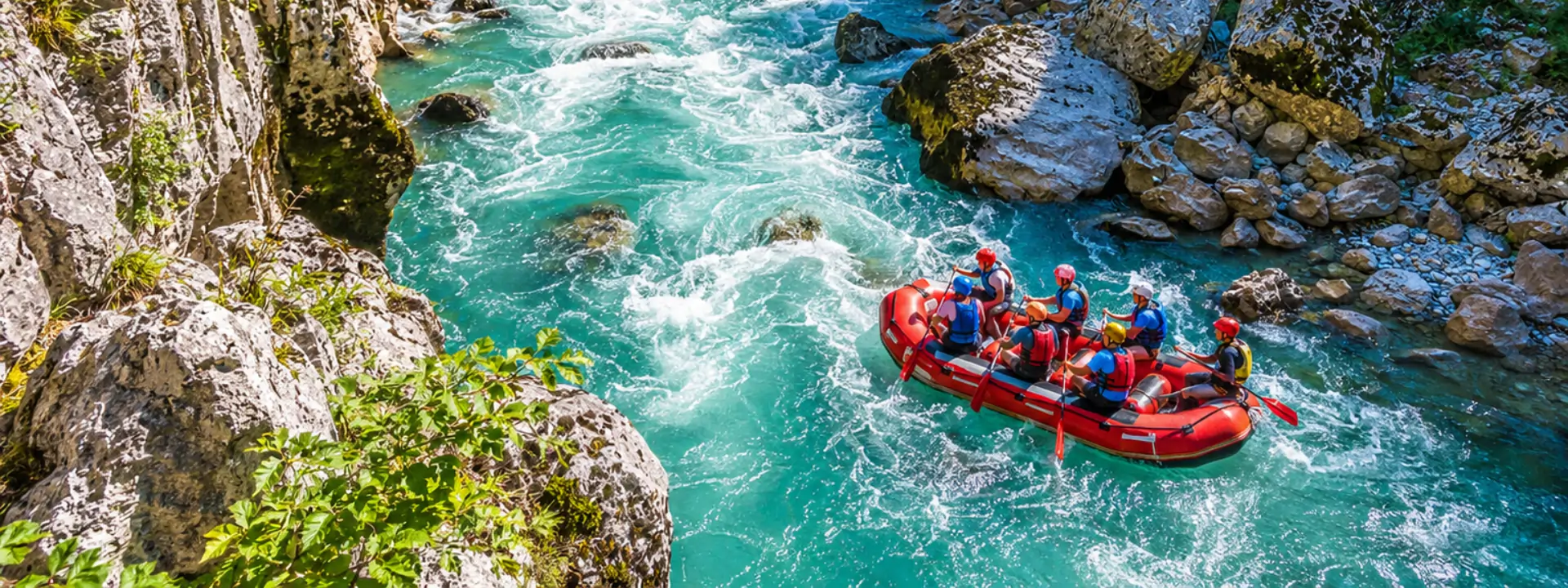
 on the Neretva River is one of the most thrilling adrenaline experiences in Bosnia and Herzegovina, known for its turquoise water,…
Discover more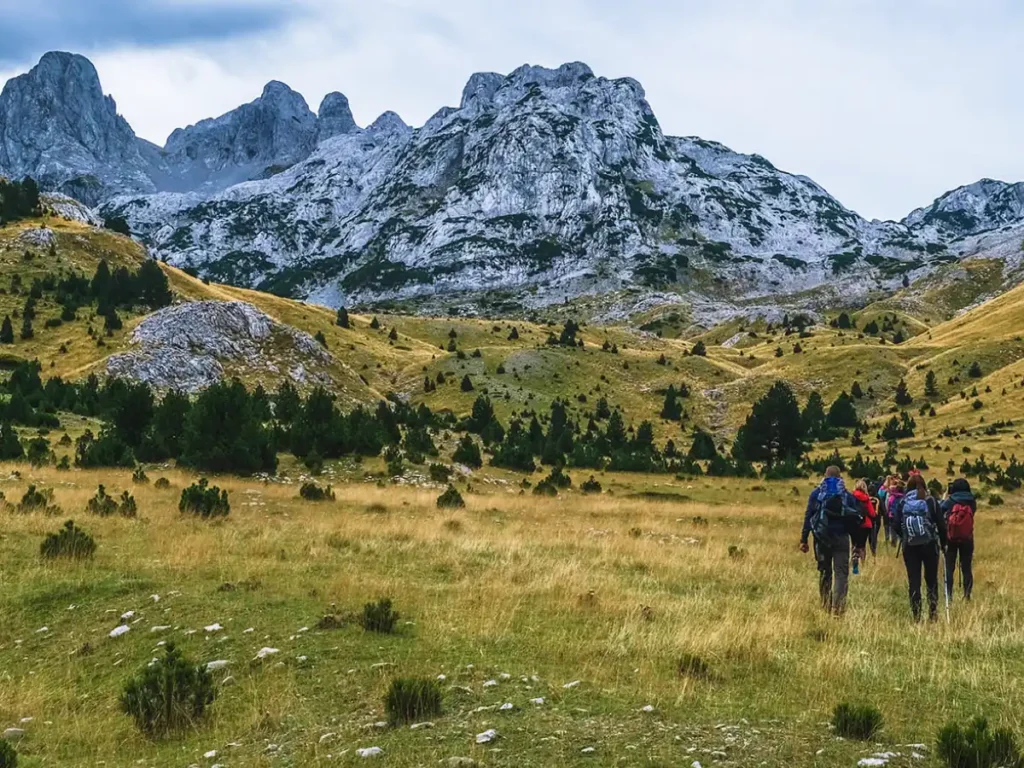 Hiking
Prenj is one of the most beautiful, yet most rugged mountains in BiH, in the heart of the Dinarides in northern Herzegovina.…
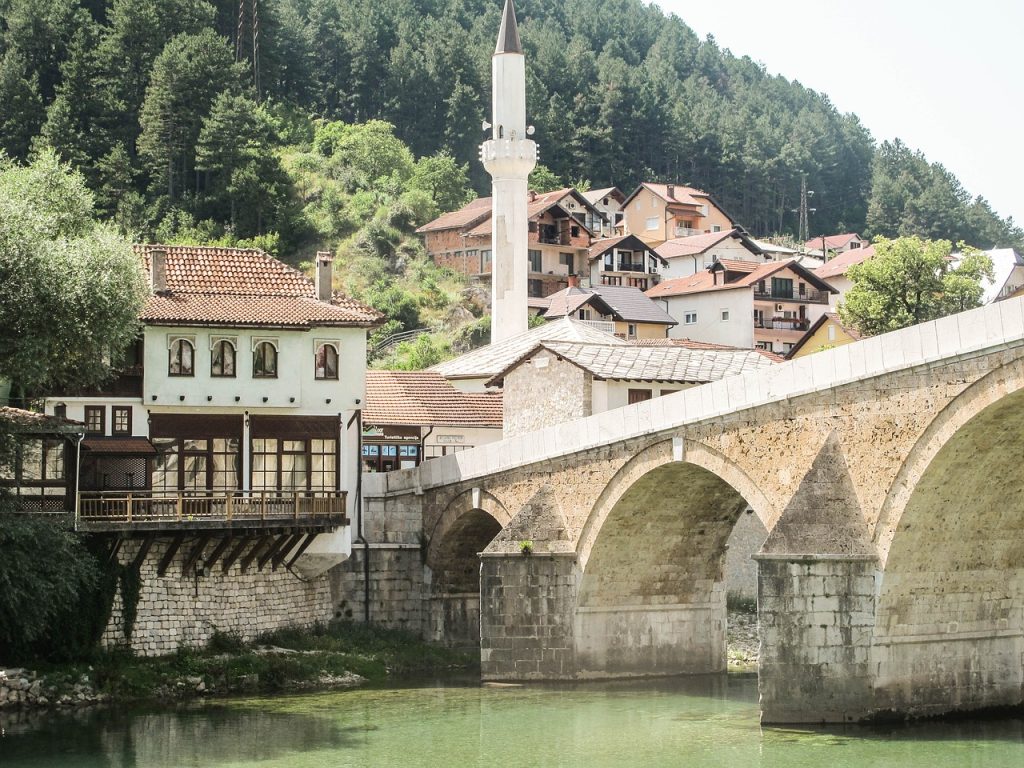
Discover moreThe Old Bridge is the symbol of Konjic and one of the town's most recognizable landmarks. A stone bridge has connected the two sides of Konjic across the Neretva since the Ottoman period. Its elegant arches, traditional stone construction, and spectacular setting make it one of the most beautiful historic bridges in Bosnia and Herzegovina. The original bridge was destroyed during World War II and later reconstructed according to its historic appearance. Today, the bridge forms the heart of the old town. Cafés, restaurants, traditional houses, and riverside promenades surround it, while the clear waters of the Neretva flow beneath its arches.
Hidden deep inside a mountain near Konjic is one of the most fascinating Cold War sites in Southeast Europe. Officially known as **ARK D-0**, Tito's Bunker was built in complete secrecy to protect Yugoslav President Josip Broz Tito and hundreds of political and military officials in the event of nuclear war. The enormous underground complex contains kilometres of corridors, command rooms, communications equipment, sleeping quarters, offices, and systems designed to allow its occupants to survive underground for months. Today, the bunker is open to visitors and also functions as a unique contemporary art space.
Located in the mountains above Konjic, Boračko Lake is one of the best-known natural attractions in Herzegovina. Surrounded by dense forests and mountain scenery, the lake is a popular destination for swimming, camping, kayaking, fishing, and relaxing during the warm summer months. Its location beneath the dramatic slopes of Mount Prenj makes it especially popular with nature lovers and hikers. The journey from Konjic to Boračko Lake also offers spectacular views of the Neretva valley and surrounding mountains.
The historic center of Konjic stretches along both sides of the Neretva around the Old Bridge. Narrow streets, traditional Bosnian houses, mosques, craft workshops, cafés, and riverside restaurants create a relaxed atmosphere that reflects the town's Ottoman heritage. Among the historic landmarks is the Repovačka Mosque, associated with the late 16th century and recognized as an important part of Konjic's architectural heritage. The Old Town is compact and easy to explore on foot, making it ideal for a relaxed afternoon beside the river.
Archaeological remains show that the wider Konjic region has been inhabited for around four thousand years. During the Middle Ages, the area was home to numerous fortified settlements, churches, and large necropolises containing thousands of medieval stećak tombstones.
Konjic was first mentioned in written documents on June 16, 1382 when records from the Republic of Dubrovnik described a merchant caravan travelling through the town. Its strategic position on the route between Bosnia and Dubrovnik helped Konjic develop into an important commercial and customs center.
The Ottoman Empire arrived in the region during the 15th century, after which Konjic expanded with mosques, caravanserais, inns, shops, and residential quarters. The town became an important stopping point for merchants and travellers moving between Sarajevo, Mostar, and the Adriatic coast.
During the Austro-Hungarian period, Konjic became increasingly connected with the rest of the country. A modern road linking Sarajevo, Konjic, Jablanica, and Mostar opened in the 19th century, followed by the railway through the Neretva valley in 1890.
The 20th century brought industrial development and major infrastructure projects. During the Cold War, one of Yugoslavia's most secret military facilities was constructed near Konjic — an enormous underground nuclear bunker designed to protect President Josip Broz Tito and the country's political and military leadership.
Today, Konjic preserves its historic character while becoming one of Bosnia and Herzegovina's leading destinations for outdoor tourism.
Everything you need to plan the perfect Konjic trip.
Explore Bosnia & Herzegovina ↗Konjic is one of Bosnia and Herzegovina's top destinations for outdoor adventure. Rafting on the Neretva River is the town's signature activity. The route passes through dramatic canyons, crystal-clear water, waterfalls, forests, and isolated beaches, making it one of the most popular rafting experiences in the Balkans. Visitors can also enjoy hiking, mountain biking, canyoning, kayaking, climbing, fishing, and camping. The nearby mountains of Prenj, Bjelašnica, and Visočica offer routes ranging from relaxing nature walks to demanding high-mountain adventures. Boračko Lake and the upper Neretva valley are also excellent destinations for swimming and spending time in untouched nature.
Konjic's cuisine combines traditional Bosnian food with Herzegovinian influences and fresh ingredients from the surrounding mountains and rivers. Local restaurants serve ćevapi, grilled meat, burek, dolma, soups, slow-cooked dishes, fresh salads, and homemade bread. Fresh Neretva trout is one of the specialties worth trying, particularly at restaurants along the river. Traditional Bosnian coffee, baklava, and other homemade desserts provide the perfect finish to a meal overlooking the Old Bridge and Neretva.
Konjic has a relaxed nightlife scene focused mainly around cafés, restaurants, and riverside terraces. During spring and summer, the area around the Old Bridge becomes especially lively, with visitors enjoying drinks, music, and long evenings beside the Neretva. Rather than large clubs, Konjic is best suited to travellers looking for a quieter atmosphere after a day of rafting, hiking, or sightseeing. Cultural events, exhibitions, concerts, and seasonal festivals also take place throughout the year.
Konjic offers a wide variety of accommodation, including hotels, boutique guesthouses, apartments, mountain lodges, hostels, campsites, and riverside properties. Staying near the Old Bridge is ideal for travellers who want restaurants and historic sights within walking distance. Nature lovers can choose accommodation along the Neretva, near Boračko Lake, or in the surrounding countryside.
Whether you're visiting for rafting, hiking, history, or simply stopping between Sarajevo and Mostar, Konjic offers comfortable accommodation for almost every budget.