
Yes, Bosnia and Herzegovina is safe to visit. Violent crime against visitors is rare, the cities are relaxed and walkable day and night, and Bosnians are known across the Balkans for their hospitality. Every year more travellers come to see Sarajevo and Mostar, and most leave surprised by how welcoming the country is.
The war ended in 1995, and it is part of the country's story, not its present. That said, there are a few things worth knowing, just as there are anywhere. This is what we tell our own guests.
Crime
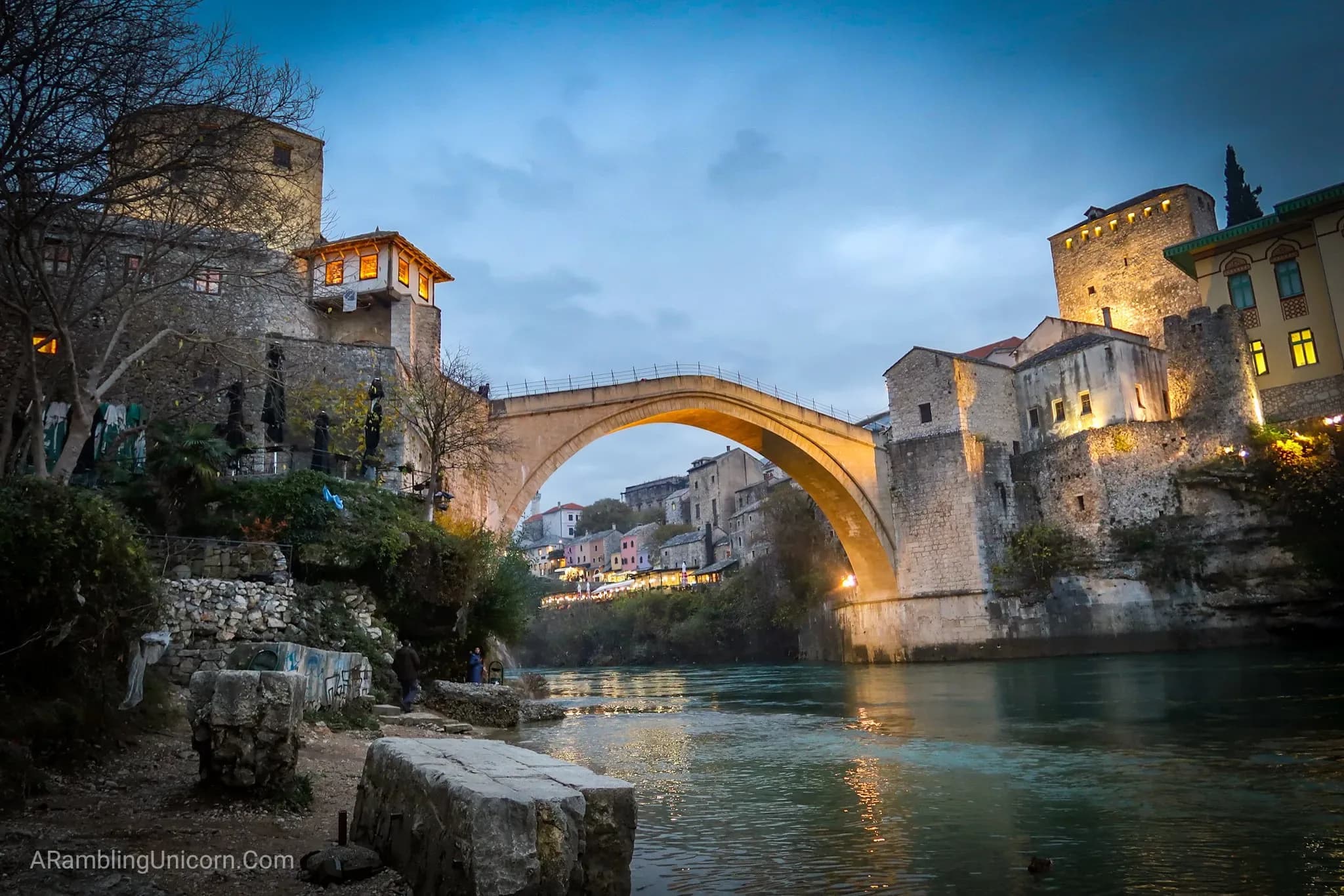
The main risk is the same as in other European cities: pickpocketing in crowded places. Keep an eye on your phone and wallet in Baščaršija, on trams in Sarajevo and around the Old Bridge in Mostar in high season.
- Use metered taxis or a taxi app, and agree on the price before longer trips.
- Withdraw cash from ATMs attached to banks.
- Don't leave valuables visible in a parked car.
Landmines: the one real rule
This is the one thing that is genuinely different from other countries. Some rural and mountain areas are still contaminated with mines from the 1990s. Demining continues every year, and the places tourists visit are cleared. The rule is simple:
- Stay on paved roads, marked hiking trails and well-used paths.
- Don't walk into fields, forests or abandoned houses off the trail, even for a photo or a toilet stop.
- Respect the red triangular warning signs with a skull and crossbones, and any tape marking an area. Never move them.
- For hiking in the mountains, go with a local guide or use well-known routes such as those on Bjelašnica, Trebević and in Sutjeska National Park.
Cities, villages, ski resorts and all the usual sights are perfectly safe.
Driving
Driving is the best way to see the country, but the style is livelier than in Western Europe, and mountain roads are narrow and winding.
- Plan more time than the map suggests, and avoid driving mountain roads after dark if you aren't used to them.
- Watch out for overtaking on bends, and for police speed checks, which are frequent.
- Winter equipment is mandatory from mid-November to mid-April.
- Your rental car needs a green card (insurance) for border crossings: ask the rental company.
If you'd rather not drive, a private driver is affordable here, and the Sarajevo–Mostar train is excellent.
Solo and female travellers
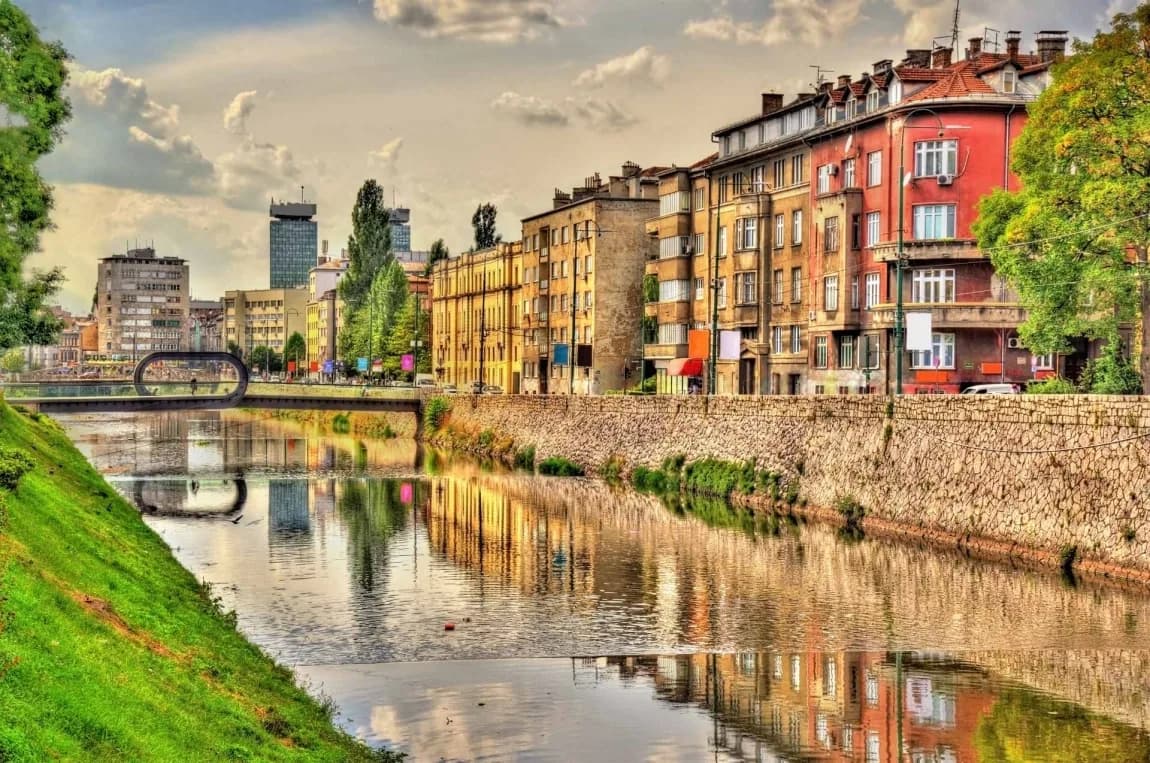
Solo travellers, including women travelling alone, generally feel very comfortable in Bosnia. Sarajevo and Mostar are lively in the evenings, with families and friends out until late. Use the usual common sense at night, as you would at home.
Is it safe for Muslim, Christian and Jewish visitors?
Bosnia has been a place where faiths live side by side for centuries, and visitors of every religion are welcome. In Sarajevo you will find mosques, churches and synagogues within a few minutes' walk. Halal food is easy to find everywhere in the Federation, and alcohol is also widely available. See our halal and Muslim-friendly travel guide and our religious tourism pages.
LGBTQ+ travellers
Bosnia is a conservative society, especially outside Sarajevo. Same-sex couples are unlikely to face problems as tourists, but public displays of affection draw attention. Sarajevo has a small but active community and has held a Pride march since 2019.
Health and emergencies
- Emergency numbers: police 122, ambulance 124, fire 123.
- Tap water: safe to drink in Sarajevo and most towns.
- Insurance: take travel health insurance. Bosnia is not in the EU, so EU health cards are not generally valid.
- Air quality: on still winter days, Sarajevo's valley can have smog. If you have asthma, plan mountain days in winter.
Talking about the war
You will see memorials, bullet marks and the red-filled "Sarajevo Roses" in the pavement. Most people are happy to talk about the war if you are curious and respectful. The Tunnel of Hope, the War Childhood Museum and Galerija 11/07/95 are good places to learn about it. Avoid taking sides in political discussions, as the topic is still sensitive.
Bottom line
Bosnia and Herzegovina is a safe, friendly and good-value destination. Watch your belongings in crowds, stay on marked paths in the countryside, and drive carefully. Beyond that, the biggest risk is eating too many ćevapi.
Ready to plan? Start with our 7-day Bosnia itinerary and the best time to visit, or browse our tours with local guides.