

Discover North Macedonia
A little closer toStrumica.
Strumica, the city of stars—ancient towers, waterfalls, monasteries, thermal spas, and Macedonia’s iconic carnival in one vibrant destination.
- Population
- River
- Founded
- Best Time
- Airport
About Strumica
Strumica
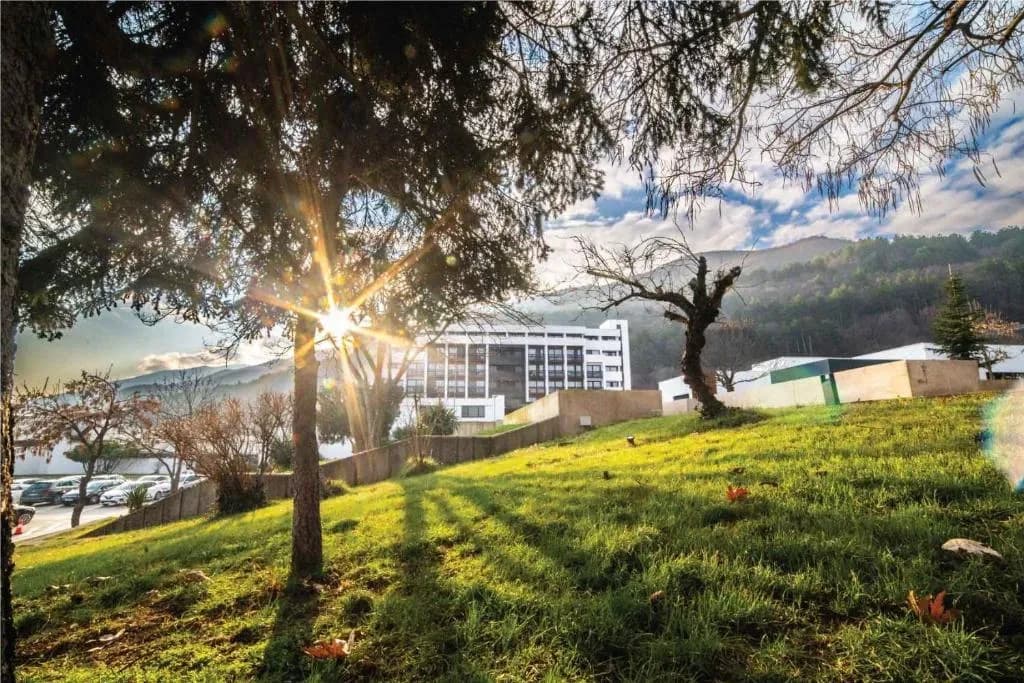
Nestled in the fertile Strumica Valley, surrounded by the mountains Belasica, Ograzden, and Elenica, the radiant city of Strumica shines as the cultural, economic, and political heart of southeastern North Macedonia. Known as “the city of the stars”—from its ancient name Astranon—and “the city under the King’s Towers”, Strumica blends deep history, vibrant festivals, natural beauty, and warm southern spirit.
Strumica lies near the borders with Greece and Bulgaria, connected by the main M6 highway that links it to the rest of North Macedonia. The city sits at 41°22′ N latitude and 22°35′–23°45′ E longitude, spreading across the wide Strumica plain beneath Mount Elenica and the Carevi Kuli (King’s Towers) fortress.
Strumica is North Macedonia’s agricultural powerhouse, producing most of the country’s early vegetables—tomatoes, peppers, cucumbers, and beans—as well as tobacco, sesame, cotton, peanuts, and poppy. This fertile plain sustains a thriving food and textile industry. The city’s lively markets are filled with fresh produce and handmade goods, reflecting its nickname as the “Garden of Macedonia.”
✅ Ancient ruins, monasteries & legends
✅ Soothing thermal waters and mountain waterfalls
✅ A vivid carnival unmatched in Macedonia
✅ Delicious food & warm southern hospitality
Whether you’re a history lover, nature explorer, or culture seeker, Strumica offers a perfect balance of old-world mystery and modern Macedonian life.
Explore Strumica
Bansko Spa (Bansko Banja)
One of the oldest Roman thermal spas in Europe, located 12 km east of the city. The spa’s thermal springs flow at 71°C year-round, rich in minerals and believed to cure rheumatic ailments. Excavations revealed Roman-era saunas, pools, and mosaics dating back to Emperor Caracalla’s time (3rd century AD).🛁 Don’t miss: Try boiling an egg in the hot spring—a local tradition!
Smolare Waterfall
The highest waterfall in North Macedonia (35 m), near Smolare village on Mount Belasica. Wooden paths and viewing platforms make it ideal for hiking and photos. At 600 m above sea level, the roar of the falls echoes through lush greenery—especially stunning in spring.
Kolesino Waterfall
Just a few kilometers from Smolare, the Kolesino Falls (15 m) cascade in a series of smaller drops along the Baba River. The area is beautifully arranged for visitors and hosts the annual group wedding ceremony each August—a beloved local tradition celebrating love and community.
Monastery of St. Leontius – Vodoca (11th century)
This sacred site in Vodoca village is known for its frescoes painted between 1018–1037, considered masterpieces of Byzantine art. Built over a 6th-century basilica, the monastery holds archaeological treasures—over 1,000 graves, jewelry, and ceramics from centuries past.
Monastery of the Holy Mother of God Eleusa – Veljusa (11th century)
Perched above Veljusa village, this is one of Macedonia’s oldest and best-preserved monasteries. Built in 1080, it has never been fully destroyed or rebuilt, retaining its original marble iconostasis, mosaics, and frescoes—including the famous “Descent into Hell” scene and the unique Veljusa Cross.From its courtyard, you’ll enjoy sweeping views of the Strumica valley.
Carevi Kuli (King’s Towers)
High above Strumica, these ancient fortress ruins crown a hill at 445 m elevation. Archaeologists discovered 7,000 years of habitation layers—from prehistoric to medieval times. Finds include coins of Philip II and Perseus, amphorae, jewelry, and Homeric-style cups.The fortress’s panoramic view of the city and valley is breathtaking, especially at sunset.
Goce Delchev Square – The Modern Heart of Strumica
A lively 27,000 m² pedestrian square completed in 2010, featuring fountains, gardens, the Clock Tower, and flags of all EU member states. Statues like “The Masked Strumica Citizen” honor the city’s carnival heritage. It’s the perfect place to sip coffee and people-watch.
Strumica Carnival – The Festival of Masks
One of Macedonia’s most colorful traditions, the Strumica Carnival transforms the city into a whirlwind of music, masks, and laughter each year before Easter Lent. Origins:Traced back to ancient pagan fertility rituals, its name stems from Latin carne vale—“farewell to meat.” Themes:Traditional masks include: • Bride and Groom – symbols of fertility and new beginnings • Gypsy family with baby – wishing many children • Priest and Devil – the eternal struggle between good and evil Modern participants now add satire, pop culture, and political humor. Today, the carnival draws international guests and thousands of spectators—mixing tradition and modern creativity in one joyous celebration.
Nature & Outdoor Escapes
• Belasica Mountain: perfect for hiking and panoramic views. • Ograzden & Elenica ranges: dotted with monasteries, rivers, and picnic spots. • Eco trails: through linden forests and mountain streams near Bansko Spa.
History & heritage
A Glimpse into History
Strumica’s story stretches back over 2,000 years.
- 181 BC: First mentioned as Astranon (“City of Stars”), home of the Paeonian tribe Astron.
- Roman & Byzantine eras: Known as Tiberiopolis, a significant religious and trade center.
- 9th century: Rebuilt by Tsar Samuil, becoming a key military stronghold in his empire.
- 1018 onward: After Samuil’s fall, Strumica became a Byzantine administrative center, later ruled by Serbia, Bulgaria, and then the Ottoman Empire.
Centuries of layered history left behind fortresses, monasteries, and thermal baths—each telling a piece of Strumica’s luminous past.
Practical travel tips
Explore North MacedoniaLocal Flavors
• Tavče gravče (baked beans) • Ajvar (roasted pepper spread) • Local trout and lamb dishes • Traditional rakija and wines from Tikveš region Enjoy dinner in one of Strumica’s garden restaurants, where local music often accompanies your meal.
Best time to visit:
• Spring & Autumn: Ideal for mild weather and sightseeing. • February/March: For the world-famous Strumica Carnival.
Getting there:
• 160 km from Skopje (~2.5 hours by car). • 30 km from Gevgelija and Lake Dojran. • Regular buses from Skopje, Gevgelija, and Dojran.
Day 1:
• Morning: Explore Bansko Spa and its ancient Roman baths. • Afternoon: Visit Goce Delchev Square and Carevi Kuli Fortress. • Evening: Dinner in the city center with local wine.
Day 2:
• Morning: Drive to Smolare & Kolesino waterfalls. • Afternoon: Visit Vodoca & Veljusa monasteries. • Evening: Stroll the illuminated square or join a local event.