

Discover North Macedonia
A little closer toBitola.
Plan your Bitola trip: Širok Sokak, Clock Tower, Heraclea, mosques, cafés, Pelister hikes, festivals, and tips for Macedonia’s elegant consular city.
- Population
- River
- Founded
- Best Time
- Airport
About Bitola
Bitola
Bitola eats well and lingers long. Start your day with burek still warm from the oven, then graze on shopska salad, ajvar, and clay-pot tavče gravče at a traditional kafana. Meat lovers will find grilled kebapi and slow-cooked stews, while sweet tooths can’t miss syrup-soaked pastries from old-school patisseries on Širok Sokak.
Wine has been woven into Macedonian life since antiquity. Ask for Vranec (a robust red) or Temjanika (aromatic white). Many travelers base in Bitola to explore nearby wineries in the broader Tikveš region—or arrange local tastings through specialist hosts. As the sun dips, the café terraces fill; order a rakija or espresso and watch the city glow.
- Manaki Brothers International Cinematographers’ Film Festival (September): The oldest festival devoted to the art of cinematography, drawing acclaimed filmmakers and showcasing independent gems.
- Summer Evenings at Heraclea: Classical concerts and theater on the ancient stage—magic when cicadas sing and mosaics shimmer.
- City Celebrations: From New Year lights at the Clock Tower to religious feasts across mosques and churches, Bitola’s calendar blends sacred and civic with warmth.
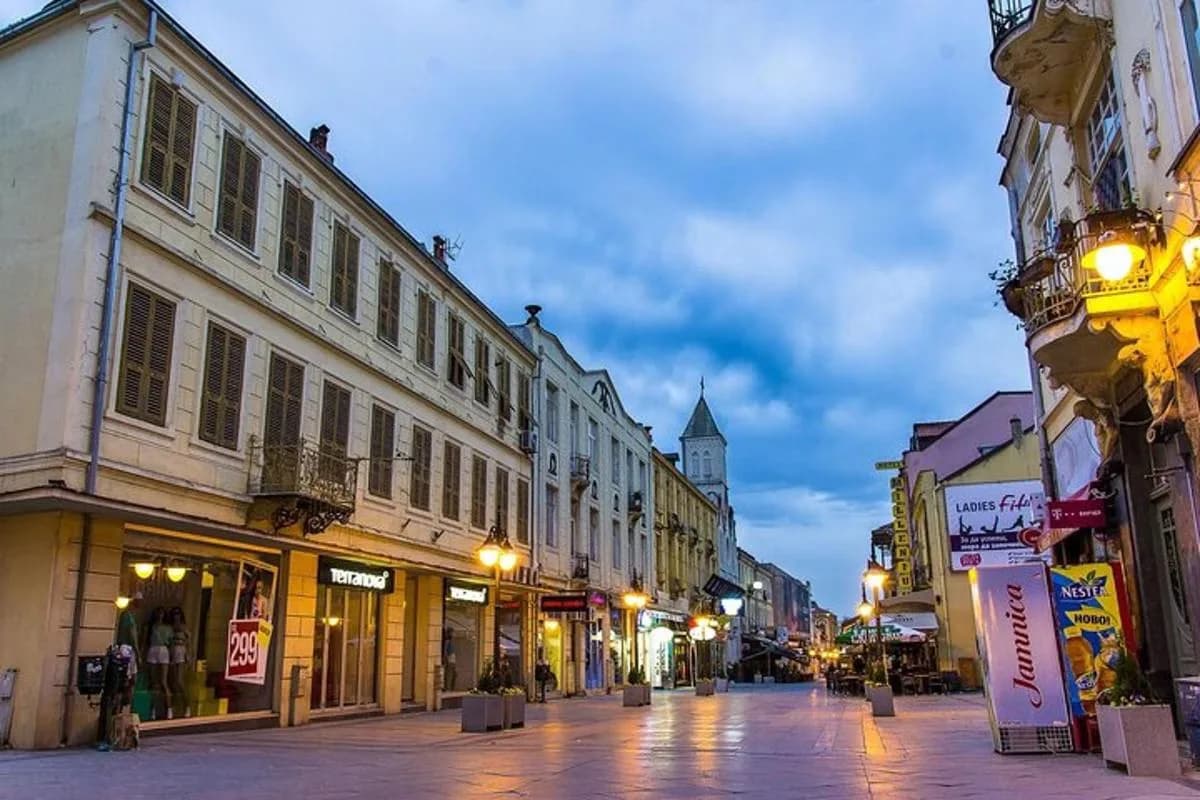
Nightlife here is unpretentious and welcoming—live bands in cozy bars, courtyard stages in summer, and late-night conversations along the promenade.
Start with coffee on Širok Sokak and a slow stroll to the Clock Tower. Continue into Stara Čaršija to browse crafts before visiting the Museum of Bitola and the Atatürk room. After lunch, head to Heraclea for mosaics and the amphitheater, then chase golden hour across the rooftops. Finish with dinner at a traditional kafana—tavče gravče, grilled meats, and a glass of Vranec—and an evening promenade as the city hums.
Bitola is that rare city that feels both grand and intimate. You’ll sense the weight of history in its embassies-turned-townhouses, hear the call of prayer beside church bells, and find Roman stones a short walk from a perfect espresso. For travelers searching the best places to visit in Bitola or planning things to do in Bitola, the city answers with poise: museums and mosaics, mosques and music, mountains and molten sunsets.
Come for a day and you’ll wish for three. Stay for three and you’ll start counting reasons to return.
Explore Bitola
Širok Sokak (Wide Street)
This tree-lined pedestrian avenue is Bitola’s living room. In the 19th century, it hosted embassies, banks, and refined salons; today, it’s lined with cafés, patisseries, and boutiques housed in neoclassical townhouses. Grab a coffee, sit back, and let the city’s parade pass by.
Clock Tower (Saat Kula)
Bitola’s most recognizable landmark rises 33 meters beside gardens where locals gather for festivals. Climb nearby viewpoints for a panorama of rooftops and peaks, then linger to hear popular melodies chime on the hour. By night, the tower becomes a glowing needle stitching together old and new.
Isaac (Iskhak Chelebi) Mosque (1508)
Opposite the Clock Tower, this elegant, under-dome mosque anchors a spacious courtyard dotted with historic tombs. Its slender minaret soars around 50 meters, while a play of arches, pillars, and color inside creates a calming rhythm—a beautiful window onto Bitola’s Ottoman past.
Heraclea Lyncestis (4th century BC)
A short stroll from the center, the ruins of Philip II of Macedon’s city are among the most evocative in the Balkans. Wander the Roman theater, baths, porticoes, early Christian basilicas, and the bishop’s residence, and look for exquisite floor mosaics with animals and Christian symbols. In summer, performances revive the ancient stage under the stars.
Museum of Bitola & Atatürk Memorial Room
Housed in the former Ottoman military academy (1848), the museum holds archaeology and ethnography collections—and a poignant exhibit dedicated to Mustafa Kemal Atatürk, the academy’s most famous graduate. Letters, photographs, and personal items sketch the early life of modern Turkey’s founder and Bitola’s unlikely link to global history.
Stara Čaršija (Old Bazaar)
Once packed with over a thousand craft shops, the bazaar still rewards aimless wandering. Seek out copperware, filigree, textiles, and family-run bakeries. The blend of Yeni, Isak, and Yahdar-Kadi mosques, together with nearby churches and trading inns, makes this quarter a living tapestry.
Nature & Outdoor Activities: Pelister at Your Doorstep
Ten minutes from town, the mountains rise. Pelister National Park caps the Baba range with peaks topping 2,000 meters, alpine meadows, and glacial lakes known as Pelister’s Eyes. Trails fan out for gentle forest walks or full-day hikes with wide views over Pelagonia. Look for the endemic Molika pine, and know you’re sharing the park with shy deer, bears, and wolves. Active travelers can add horseback rides, rock climbing, mountain biking, and winter skiing when conditions allow. Rural guesthouses around the foothills—some run on a “pay what you think it’s worth” ethos—pair warm hospitality with garden-to-table meals and house-made wine or beer. It’s easy to balance museum mornings with mountain afternoons here.
History & heritage
History & Culture: From Monastir to Bitola, From Consuls to Cameras
Set in the southwest of Macedonia, Bitola is a city of boulevards and whispers—wide promenades, pastel façades, and the steady tick of a clock tower that has watched empires come and go. Known as the “city of consuls,” Bitola was once a diplomatic hub of the Ottoman Balkans, second only to Thessaloniki. Today it remains an elegant cultural center with museums, mosques, churches, and the Roman city of Heraclea Lyncestis right on its doorstep. If you’re planning to visit Bitola, Macedonia, bring your curiosity and comfortable shoes: the city unfolds best at walking pace.
During Ottoman times the city was known as Monastir, a name shared with neighboring cultures (in Greek, Monastiri). The modern name Bitola is often linked to words for “monastery” or “community,” evoking its sacred and social roots. From 1864 to 1912, Bitola served as capital of the Bitola Vilayet, drawing European consuls who left a legacy of elegant architecture and international outlook. Even today, several diplomatic missions maintain a presence here.
After the Balkan Wars, Bitola rejoined the Macedonian fold and continued as a cultural heavyweight through the Yugoslav era. The city also nurtured the pioneering Manaki Brothers, Milton and Yanaki—trailblazers of Balkan cinematography who opened a studio in 1903 and filmed some of the region’s first motion pictures. Their legacy lives on each September during the celebrated International Cinematographers’ Film Festival “Manaki Brothers.”
Practical travel tips
Explore North MacedoniaWhy Bitola Belongs on Your Itinerary
Bitola is Macedonia’s second-largest city and the administrative, cultural, economic, and educational heart of the country’s south. Its location—on the historic Via Egnatia corridor—made it a crossroads for merchants, envoys, and dreamers. That spirit lingers in the café terraces of Širok Sokak and in the cosmopolitan polish that sets Bitola apart. For travelers mapping things to do in Bitola, the city pairs big-hitting heritage with easy urban charm and wild landscapes just up the road.
Climate & When to Go
Bitola’s climate is distinctly continental, with lively swings between seasons. July averages around the low 20s °C and can spike into the 40s on rare extremes; January averages just below freezing, with historic lows far colder. Spring and early autumn are traveler favorites—clear air, café-friendly afternoons, and trails in perfect form. Summer is buzzy on Širok Sokak and festive at Heraclea; winter is crisp, quiet, and excellent for museum-hopping.
Shopping & Souvenirs: Take a Little Bitola Home
In the Old Bazaar, browse handcrafted copper, filigree jewelry, carved wood, and embroidered textiles. Food lovers can pack mountain tea, local honey, artisanal cheeses, and jars of ajvar—simple flavors that carry the region’s sun and soil. For film buffs, look for books or prints celebrating the Manaki legacy; for history lovers, reproductions of Heraclea’s mosaics make meaningful mementos.
Travel Tips: Make the Most of Your Visit
• Getting There: Bitola sits in Macedonia’s southwest with good road connections. Buses and private transfers link it with Skopje, Ohrid, and Prilep; Heraclea is a short taxi or pleasant walk from town. • Getting Around: The center is compact and very walkable. Taxis are affordable; consider a local guide for Heraclea and the bazaar to add context. • Where to Stay: Choose a heritage townhouse near Širok Sokak for café culture, a modern hotel for convenience, or a Pelister-side guesthouse if you want fresh mountain mornings. • Etiquette: Religious sites are active places of worship. Dress modestly, keep voices low, and observe any photography rules. • Safety: Bitola is friendly and relaxed. Usual urban common sense applies—especially at night and in crowded markets.